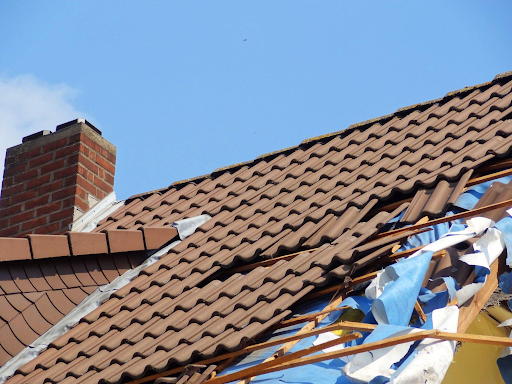
Common Types of Roof Damage Every Homeowner Must Know
Have you ever wondered how a small roof problem could turn into a costly home repair? Your roof faces strong winds, heavy rain, hot sunlight, and falling branches throughout the year. Over time, these forces can weaken roofing materials and create damage that is not always easy to see.
Even a small crack or loose shingle can let water enter your home and cause bigger problems. Learning about common roof problems helps you act before repairs become more expensive. This guide explains the main types of roof damage, their warning signs, and how to protect your home.
How Weather Slowly Wears Down Your Roof
Your roof protects your home from rain, wind, heat, and other outdoor forces. However, these weather changes can slowly wear down its surface and weaken its parts. Over time, small areas of damage may grow and affect the safety of your home.
Strong sunlight can dry out roofing materials and cause them to crack or lose their strength. Heavy rain may collect in weak areas, while strong winds can loosen shingles and other roof parts. When these problems happen again and again, your roof may lose its ability to keep water out.
Regular care helps you find early signs of trouble before they spread. A quick look at your roof after a storm can reveal loose materials, broken parts, or areas that need attention. Knowing what to look for makes it easier to plan repairs and protect your home.
Missing And Loose Shingles
Shingles form the outer layer of many residential roofs, so they play a key role in keeping water away. Strong winds can lift their edges, loosen their nails, or pull them away from the roof. When shingles are missing, the layer beneath them becomes open to rain and sunlight.
You may notice dark patches or uneven spaces where shingles once covered the roof. You might also find pieces of roofing material in your yard after a storm. These signs should not be ignored because water can enter through even a small opening.
Loose shingles can also become a bigger problem during the next storm. Wind may lift nearby pieces and spread the damage across a wider area. A trained roofer can replace missing shingles, secure loose ones, and check the roof for hidden damage.
Cracked And Curling Roofing Materials
Shingles can crack as they grow old or face long periods of heat and cold. The sun can dry out their surface, making them less flexible and more likely to break. Once cracks appear, rain can pass through these weak spots and reach the roof deck.
Curling shingles are another common sign of wear. Their edges may turn upward or their centers may rise, leaving small gaps where water and wind can enter. This change can happen because of age, poor airflow, moisture, or the wrong installation method.
Both problems can reduce the strength of your roof over time. Cracked pieces may break apart, while curled shingles can catch strong winds and become loose. A roof check can show how far the damage has spread and whether simple repairs or a larger replacement is needed.
Hail And Wind Roof Damage
Hail can cause serious harm to a roof, even when the stones are small. Hard impacts may leave dents, cracks, or broken spots on shingles and metal surfaces. On some roofs, hail can also remove the small protective granules from asphalt shingles.
Wind can cause a different kind of damage by lifting roof edges and pulling materials away from their fasteners. Very strong gusts may tear off large sections or move parts of the roof out of place. This is why hail and wind roof damage should be checked soon after a major storm.
Some damage may not be easy to see from the ground. A roof may look fine from outside while its protective layers have already been weakened. Having a trained roofer inspect the surface after severe weather can help find problems before the next round of rain.
Roof Leaks And Water Stains
A roof leak happens when water passes through a weak spot in the roof and enters the home. It may start around a damaged shingle, broken seal, or loose roof fitting. Even a small leak can cause damage if water keeps entering the same area.
Water stains on ceilings and walls are common roof leak warning signs. These marks may look yellow, brown, or dark, and they can grow after heavy rain. You may also notice peeling paint, damp spots, or a musty smell inside a room.
Not every leak appears directly below the damaged roof area. Water can travel along beams and other surfaces before it reaches a ceiling or wall. This makes it important to find the true source instead of only covering the visible stain.
Damaged Roof Flashing
Flashing is a thin piece of metal or another water-resistant material placed around roof openings and joints. It helps guide rain away from areas where water could enter. You can often find flashing near chimneys, vents, skylights, and roof edges.
Over time, flashing may crack, rust, loosen, or pull away from the surface. Strong winds and changes in temperature can weaken its seals and fasteners. When this happens, water may slip behind the flashing and reach the wood below.
Look for loose metal, broken seals, and water marks near roof openings. These signs may point to a problem that needs quick attention. A roofer can repair or replace damaged flashing and make sure the area is sealed against rain.
Sagging Roof Areas
A roof should have a firm and even shape, so any visible dip deserves attention. Sagging may happen when the roof deck becomes weak, or the support beams can no longer carry the weight above them. Long-term water damage, poor building work, and heavy loads can all play a part.
You may notice that one section looks lower than the areas around it. The roofline may appear uneven, or the ceiling inside may begin to bend or crack. These changes can point to a deeper problem that goes beyond the outer roofing materials.
A sagging roof should never be treated as a small surface issue. Weak support parts can put the whole roof at risk if the problem continues. Contact a qualified roofing expert as soon as you notice a dip, and avoid walking on the affected area.
Roof Damage From Falling Trees And Branches
Trees can add shade and beauty to a home, but nearby branches may threaten the roof. During storms, weak limbs can break and fall onto the roof surface. Even smaller branches may crack shingles, damage gutters, or leave holes that allow rain inside.
Large branches can cause much worse damage when they strike the roof. They may break roof boards, bend support parts, or damage the rooms below. A fallen tree can also block access to the roof and create a safety risk around the home.
Check nearby trees for dead limbs, weak branches, and signs of decay. Trimming branches that hang too close to the roof can lower the risk of impact damage. After a tree or branch falls, let trained workers assess the roof before anyone climbs onto it.
Water Damage And Rot Beneath The Surface
Water can damage more than the shingles that people see from outside. When rain passes through a leak, it may soak the roof deck, wood beams, and insulation. If these parts stay wet for too long, they can become weak and begin to rot.
Rotten wood may feel soft, look darker, or break apart when touched. You may also notice a musty smell in the attic or signs of mold near damp surfaces. These problems can spread if the source of moisture is not found and fixed.
Early action can help prevent a small leak from becoming a major repair. A roofer may need to remove damaged materials, replace weak wood, and seal the area against water. Proper roof repair and inspection also help confirm that the roof is dry and safe after the work is done.
Poor Roof Ventilation And Heat Damage
Good airflow helps control heat and moisture inside the roof space. Without enough ventilation, hot air can build up in the attic during warm months. This extra heat may shorten the life of shingles and affect other roof materials.
Poor airflow can also trap moisture inside the attic. This may lead to wet insulation, mold growth, and damage to wooden parts. During cold weather, trapped moisture can create other problems when warm indoor air meets cold roof surfaces.
Look for signs such as a very hot attic, damp wood, or moisture on roof nails. These clues may show that air is not moving well through the space. A roofing expert can check vents and airflow paths to find ways to improve the roof’s condition.
Damaged Gutters And Roof Edges
Gutters help move rainwater away from your roof and the sides of your home. When they become blocked, water may spill over and collect near the roof edges. Over time, this extra moisture can damage roof boards, siding, and other nearby materials.
Loose or broken gutters can cause similar trouble. They may pull away from the roofline, allowing water to run behind them and soak the wood below.
Check gutters often and remove leaves, dirt, and other items that block water flow. Make sure downspouts carry rain away from the house instead of letting it pool near the walls. Fixing small gutter problems can help protect both the roof and the home’s outer surfaces.
Damage Caused By Poor Roof Installation
A roof may develop problems much sooner when it is not installed correctly. Shingles placed in the wrong pattern can leave gaps that allow wind and rain to enter. Loose nails, weak seals, and poor flashing work can also reduce the roof’s strength.
Some installation problems are hard to notice at first. Water may enter through small gaps and slowly damage the roof deck or attic. You might only see the warning signs months later when stains, loose shingles, or leaks begin to appear.
Choosing skilled workers is important when installing or replacing a roof. Ask about their work history, materials, and steps for checking the finished job. A proper installation helps your roof last longer and lowers the chance of early repairs.
How To Spot Roof Problems Before They Spread
You do not need to climb onto your roof to notice many early signs of damage. Look at the roof from the ground and check for missing shingles, uneven areas, dark marks, and loose edges. After a storm, also look around your yard for broken roofing pieces.
Inside your home, check ceilings, walls, and the attic for signs of moisture. Watch for stains, peeling paint, damp insulation, and unusual smells that may point to a leak.
Do not try to inspect steep or damaged areas on your own. Walking on a weak roof can lead to serious falls or make the damage worse. Instead, ask a trained professional to check areas that are hard to reach or unsafe to approach.
When Roof Damage Needs Fast Repairs
Some roof problems need attention right away because they can let large amounts of water enter your home. Missing shingles, broken flashing, open holes, and major storm damage should be checked as soon as possible.
If a storm has damaged your roof, a quick response can help limit further harm. Homeowners who need urgent help can contact a trusted local team for emergency roof repair in Louisville. A trained crew can assess the damage, help protect open areas, and explain which repairs should come first.
Safety should always come before any repair work. Stay away from fallen power lines, loose roof parts, and areas where water has reached electrical fixtures. If the roof looks unstable, keep people away and let trained workers handle the problem.
Protect Your Home With Early Roofing Care
A strong roof helps keep your home dry, safe, and comfortable throughout the year. Learning about common damage makes it easier to spot warning signs before small problems grow. Check for missing shingles, leaks, dents, weak flashing, and signs of rot after storms.
Do not wait for water stains or major damage before asking a professional for help. Regular roofing checks and timely repairs can save money and help your roof last longer. Take action when you notice changes, and give your home the care it needs.
Did this guide help you? Browse the rest of this section for more advice on a variety of topics.