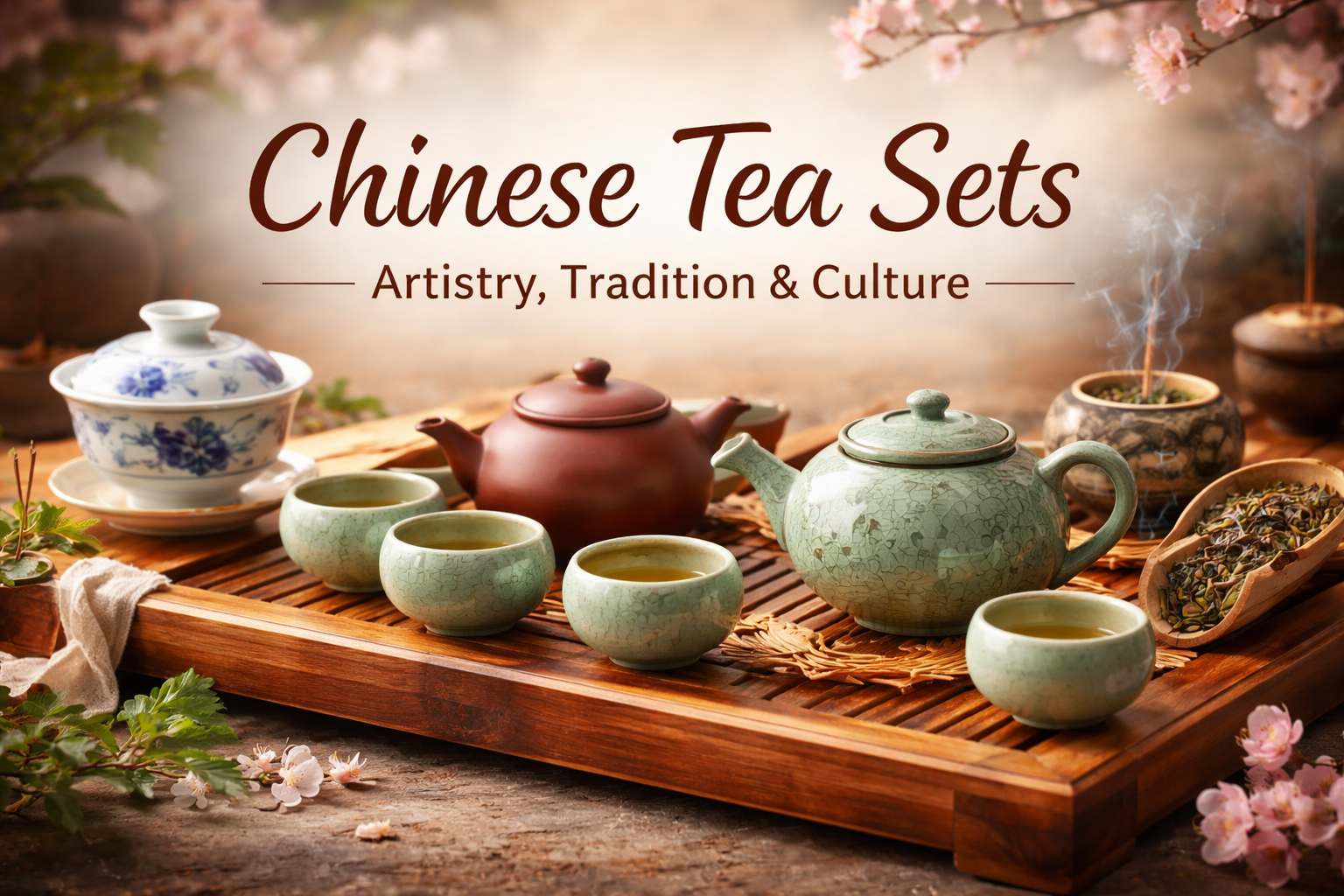
Beyond Function: The Art and Culture of Chinese Tea Sets
The Chinese tea set, known as 茶具 (chájù) in Chinese, is a pivotal element in the rich tapestry of Chinese
culture. These delicately crafted sets are not only tools for brewing and sipping tea but are also cherished
for their artistry and historical significance. Tea drinking in China is a ritual deeply intertwined with
social customs, philosophy, and aesthetics. It’s no wonder that discerning tea enthusiasts often seek out
these tea sets for both their functional purposes and their symbolic meanings.
For those exploring the vast offerings of traditional Chinese tea sets for sale, platforms such as Teasetbox, Amazon, and Aliexpress offer insights into the
richness of this ancient tradition, providing access to both classic and contemporary tea sets that cater to
different tastes and preferences. In this article, we delve into the artistry, cultural value, and practical
considerations when selecting a tea set, helping you embark on a journey that celebrates the timeless charm
of Chinese tea culture.
The History of Chinese Tea Sets
The history of Chinese tea sets dates back over a millennium, tracing a fascinating journey through the
evolution of Chinese art and cultural practices. The origins can be pinpointed to the Tang Dynasty (618–907
AD), which marked a significant turning point in the way tea was consumed and appreciated in China. During
this period, tea became a popular drink among the elite, and the development of specialized tea ware began
to flourish. The Tang Dynasty also saw the introduction of the tea ceremony, which laid the foundation for
many of the rituals observed in tea preparation today.
Moving into the Song Dynasty (960–1279 AD), tea culture experienced another renaissance. The period was
characterized by an increased emphasis on the aesthetic qualities of tea sets. Song artisans began to
innovate with new materials and techniques, producing delicate porcelain pieces noted for their simple
elegance and subtle glazing. This era gave rise to the famous Jian ware and the much-coveted Ru ware, valued
for their muted colors and unique textures.
The Ming Dynasty (1368–1644 AD) heralded a new chapter with the widespread availability of porcelain,
allowing for the mass production of tea sets. This was when the gaiwan—a lidded bowl used for brewing and
drinking tea—came into prominence. The Ming Dynasty tea sets were often exquisite, with intricate blue and
white designs that have become iconic symbols of Chinese artistry.
In the Qing Dynasty (1644–1912 AD), the influence of other cultures and trade significantly impacted the
design and functionality of tea sets. The creation of Yixing teapots, known for their unglazed, rich clay
texture, became highly prized for their ability to enhance the flavor of tea. This period was also when
patterns and colors became more vibrant and varied, reflecting the dynasty’s diverse cultural
interactions.
Today, Chinese tea sets embody the rich legacy of these historical developments. They are treasured not
only for their practical use in brewing tea but also as symbols of cultural continuity and artistic
achievement. Whether authentic antique sets dating back to China’s imperial eras or modern interpretations
of classic designs, Chinese tea sets capture a timeless appeal that continues to fascinate tea lovers around
the world.
Traditional Materials and Craftsmanship
Chinese tea sets are celebrated for their exceptional craftsmanship and the use of traditional materials
that have been perfected over centuries. Each material contributes to the uniqueness and functionality of
the tea ware, enhancing the tea-drinking experience with both visual and tactile pleasure.
Porcelain: The Classic Elegance
Porcelain, often referred to as “china,” is arguably the most synonymous material with Chinese tea sets. It
is renowned for its delicate nature and brilliant white appearance, making it ideal for intricate designs
often highlighted in blue underglaze painting. The method of crafting porcelain involves firing a special
clay mixture at high temperatures, resulting in a durable yet refined product. Porcelain tea sets are not
only visually stunning but also adept at retaining heat, which helps in brewing the perfect cup of
tea.
Yixing Clay: The Connoisseur’s Choice
For the discerning tea enthusiast, Yixing clay teapots are highly valued for their unique properties.
Originating from the Jiangsu province, the artisanal crafting of Yixing teapots involves a labor-intensive
process that uses zisha, or purple sand clay. This clay is celebrated for its porous nature, allowing the
pot to absorb the flavors and aromas of tea over time, enhancing the complexity of each brew. Each Yixing
teapot is typically handmade and left unglazed, preserving the clay’s natural beauty and texture.
Celadon: The Subtle Beauty
Celadon ware, known for its serene jade-like glaze, has been a staple in Chinese tea culture since the
ancient times. The process involves a complex glazing technique that results in a smooth, translucent finish
with a slight crackle effect. This subtle elegance perfectly complements the refined ritual of tea drinking
and is especially beloved for its cooling tone that highlights the rich colors of the brewed tea.
Lacquerware and Bamboo: Nature’s Touch
In addition to porcelain and clay, materials such as lacquerware and bamboo have found their place in tea
craftsmanship. Lacquerware, with its rich, glossy finish, often features intricate designs that tell stories
of Chinese folklore and heritage. Bamboo, on the other hand, offers a sustainable and versatile option, used
in making everything from tea trays to delicate spouts in teapots, infusing natural warmth into the tea
setup.
Chinese tea sets, crafted from these traditional materials, are masterpieces of form and function. Their
enduring appeal lies not only in their ability to brew a fine cup of tea but also in their embodiment of
centuries-old artistry that reflects the deep cultural ties to the art of tea drinking. Whether it’s the
cool elegance of porcelain or the rustic charm of clay, each piece tells a story of skilled hands and
ancient traditions.
Symbolism and Cultural Significance
Chinese tea sets are more than just vessels for brewing tea; they are steeped in rich Chinese tea symbolism and
cultural meaning that reflects the profound heritage of Chinese civilization. Each component of a tea set,
from the teapot to the cups, carries with it layers of historical significance and artistic
expression.
Harmony and Balance
A fundamental aspect of Chinese tea culture is the principle of harmony and balance, which is reflected in
the design and arrangement of tea sets. The rounded shapes of teapots and cups symbolize unity and
completeness, encouraging a sense of togetherness and shared experiences among those who partake in tea
ceremonies. This harmonious design aims to foster a tranquil and balanced environment—key principles in
Chinese philosophy.
Representation of Nature
Nature has always been a central theme in Chinese art and culture, and tea sets are no exception. Many tea
sets feature delicate motifs such as flowers, mountains, and rivers, imbuing them with the beauty and
serenity of the natural world. These designs serve as reminders of the interconnectedness between humans and
nature, emphasizing the importance of living in harmony with the environment.
Social and Familial Bonds
Tea sets play a pivotal role in fostering social and familial relationships. Offering tea to guests is a
gesture of respect, hospitality, and goodwill. In family settings, the act of serving tea can strengthen
bonds, resolve conflicts, and signify respect toward elders. During significant ceremonies, such as weddings
or traditional festivals, tea sets become crucial tools in rituals that honor ancestors and celebrate family
unity.
Symbolic Colors and Patterns
The colors and patterns used in tea sets also carry deep cultural meanings. For instance, red is often used
in tea sets for occasions like weddings as it symbolizes happiness and good fortune. The depiction of
mythical creatures like dragons and phoenixes can be found on more elaborate tea sets, symbolizing power,
prosperity, and immortality. These artistic elements elevate the tea-drinking experience into a multifaceted
cultural ritual.
In essence, Chinese tea sets transcend their functional purpose and become vessels of cultural identity,
artistic expression, and symbolic storytelling. Each sip taken from these beautifully crafted sets allows
tea drinkers to partake in a tradition that has been cherished and passed down through generations,
illustrating the enduring legacy of Chinese culture.
Artistic Design and Aesthetics
The artistic design and aesthetics of Chinese tea sets are a testament to the delicate craftsmanship and
rich cultural heritage that define these beautiful artifacts. Each piece is a work of art, meticulously
crafted to embody both form and function, while also telling a story deeply rooted in Chinese
tradition.
Craftsmanship and Materials
Chinese tea sets are often crafted from materials such as porcelain, Yixing clay, or fine china, each
chosen for their unique properties and aesthetic appeal. Porcelain, prized for its smooth texture and
translucence, allows for intricate detailing and vibrant glazes that make each tea set a visual masterpiece.
Yixing clay, on the other hand, is celebrated for its porous texture, which enhances the flavor of the tea
over time and lends a rustic charm to the design. The careful selection and handling of these materials
reflect the skill and artistry that go into creating each tea set.
Intricate Details and Techniques
The design of Chinese tea sets often involves traditional techniques such as underglaze painting, enamel
decoration, and carving, each adding layers of complexity and beauty. The intricate patterns—ranging from
delicate lotus flowers to majestic dragons—are not merely decorative; they convey stories and symbols
ingrained in Chinese culture. These visual elements are thoughtfully integrated to encompass themes of
prosperity, harmony, and balance, creating a visually stunning experience.
Cultural Themes and Symbolism
The aesthetics of Chinese tea sets frequently draw inspiration from cultural themes, celebrating nature,
mythology, and history. For instance, the inclusion of plum blossoms signifies perseverance and hope, while
cranes represent longevity and wisdom. This symbolic use of imagery provides tea drinkers with a deep
connection to traditional values and philosophies, turning the simple act of drinking tea into a meditative
and reflective ritual.
Modern Interpretations
In recent years, contemporary designers have begun to explore modern interpretations of Chinese tea sets,
blending traditional craftsmanship with minimalist design principles. These modern tea sets often feature
sleek lines and muted palettes, appealing to those who appreciate simplicity and elegance. Despite these
modern influences, the core principles of Chinese tea art—spiritual balance, cultural reverence, and
artistic expression—remain firmly intact.
Ultimately, the artistic design and aesthetics of Chinese tea sets serve not only as a feast for the eyes
but as a bridge between past and present, tradition and innovation. Each set invites the user to experience
a dialogue between beauty and utility, enriching the timeless tradition of tea drinking with every
pour.
Tea Sets in Modern Chinese Culture
In contemporary China, tea sets hold a significant place not only as functional items but as cultural
artifacts that embody both historical richness and modern innovation. As lifestyles evolve and tastes
diversify, the role of tea sets in Chinese culture has adapted, reflecting both continuity and
change.
Shift in Usage and Perception
In modern Chinese households, tea drinking remains a cherished tradition, but the way tea sets are used has
seen notable shifts. While elaborate tea ceremonies were once exclusive to special occasions, there is now a
trend towards incorporating these rituals into daily life. This shift acknowledges a growing appreciation
for the calming and communal aspects of tea drinking amidst fast-paced modern lifestyles.
This change has also brought a renewed interest in the design and functionality of tea sets, incorporating
features that accommodate contemporary needs. Many modern tea sets now come with compact designs, built-in
infusers, and insulating materials that cater to busy urban environments, making the practice of tea
drinking both convenient and accessible.
Personal Expression and Gift-Giving
Tea sets have also become a medium for personal expression. With an increasing variety of styles available,
from traditional to avant-garde, individuals are using these sets to reflect their personal tastes and
cultural values. This diversity has paved the way for tea sets to become popular gifts, symbolizing goodwill
and respect. In a culture that values symbolism, gifting a tea set can communicate messages of harmony and
prosperity, making them highly appreciated presents for weddings, business negotiations, and cultural
exchanges.
Influence of Global Trends
Furthermore, globalization has impacted the design and marketing of Chinese tea sets, encouraging the
fusion of international styles and local craftsmanship. As Chinese aesthetics continue to captivate the
global market, there is a rise in collaborations between Chinese artisans and international designers,
producing tea sets that appeal to both domestic and foreign consumers. These cross-cultural endeavors
highlight a global appreciation for Chinese tea culture, celebrating its artistic heritage while pushing the
boundaries of traditional design.
Preservation of Tradition
Despite the influence of modernity and globalization, the essence of Chinese tea sets remains deeply rooted
in tradition. Families often pass down antique tea sets from generation to generation, along with stories
and customs associated with them. These heirlooms preserve familial bonds and cultural identities, ensuring
that future generations remain connected to their heritage.
In conclusion, while modern Chinese culture continues to evolve, tea sets remain an integral element,
bridging time-honored traditions with the innovative spirit of the modern age. They continue to be more than
just vessels for tea; they are reflections of cultural narratives, personal identities, and global
dialogues.
Collecting and Appreciating Chinese Tea Sets
The allure of Chinese tea sets extends beyond their functional use; they are coveted by collectors and
enthusiasts worldwide for their historical significance, artistic craftsmanship, and intricate beauty. This
section provides insight into why these tea sets are highly valued collectibles and offers tips for both
seasoned and novice collectors.
Historical Significance and Cultural Value
Chinese tea sets have a rich historical and cultural lineage that makes them prized possessions among
collectors. Whether it’s an exquisitely detailed porcelain set from the Ming dynasty or a rustic clay
arrangement from Yixing, each set tells a unique story of craftsmanship and tradition. Collectors often seek
pieces that exemplify significant periods in Chinese history, contributing not only to the appreciation of
art but also to the understanding of China’s cultural evolution.
Artistic Craftsmanship
Renowned for their meticulous craftsmanship, Chinese tea sets often feature detailed hand-painted designs,
calligraphy, and glazes unique to specific regions. These elements make each tea set a miniature work of
art. Collectors appreciate the skill and dedication involved in producing these masterpieces, which combine
functional utility with aesthetic appeal. The materials used—ranging from delicate porcelain to robust
clay—also add to the sets’ variety and allure.
Tips for Collectors
For anyone interested in collecting Chinese tea sets, understanding the basics of what to look for can
boost both enjoyment and investment potential. Here are some tips:
- Research and Educate Yourself: Familiarize yourself with the
different types of Chinese tea sets, their historical contexts, and distinctive regional styles.
Knowledge is the key to identifying valuable pieces and avoiding fakes. - Condition and Completeness: Inspect the condition of the tea set for
damage or repairs, as these factors can significantly impact value. A complete set with all its original
components will usually fetch a higher price than an incomplete one. - Provenance and Authenticity: Whenever possible, verify the
provenance of the tea set. Authenticity is crucial, especially for items purported to be antiques.
Acquiring items from reputable dealers or auctions can help ensure genuine pieces. - Aesthetic and Personal Preference: Collect what you love. While
value and rarity are essential, personal enjoyment is paramount. Choose pieces that resonate with your
taste and interest.
Building a Collection
Building a collection of Chinese tea sets can be a rewarding endeavor that celebrates the rich tapestry of
Chinese culture. Consider focusing on a specific style, era, or region to give your collection a unique
theme. As your collection grows, sharing it with others can enhance your appreciation of the art form,
opening dialogues about the history and craftsmanship that make Chinese tea sets so special.
In collecting and appreciating Chinese tea sets, enthusiasts find not only a hobby but a connection to a
broader cultural narrative that spans centuries. These timeless artifacts serve as conduits of history, art,
and tradition, enriching the lives of those who pursue their beauty and complexity.
Conclusion
Chinese tea sets go beyond their practical use, embodying centuries of tradition, artistry, and cultural
significance. They are cherished by collectors and tea enthusiasts alike. Understanding their rich heritage
and styles elevates tea drinking to a celebration of history and art. Whether you’re collecting or seeking
an elegant addition to your ritual, Whether you’re collecting or seeking an elegant addition to your ritual, exploring high-quality Chinese tea sets is rewarding. is rewarding. From delicate porcelain to
Yixing clay, each set represents unique craftsmanship. Learning their types and cultural stories enriches
both your collection and appreciation of tea’s link to Chinese tradition. Brewing tea in these sets connects
you to a cherished practice, partaking in history. Chinese tea sets are keepers of culture, inviting us to
savor their beauty.