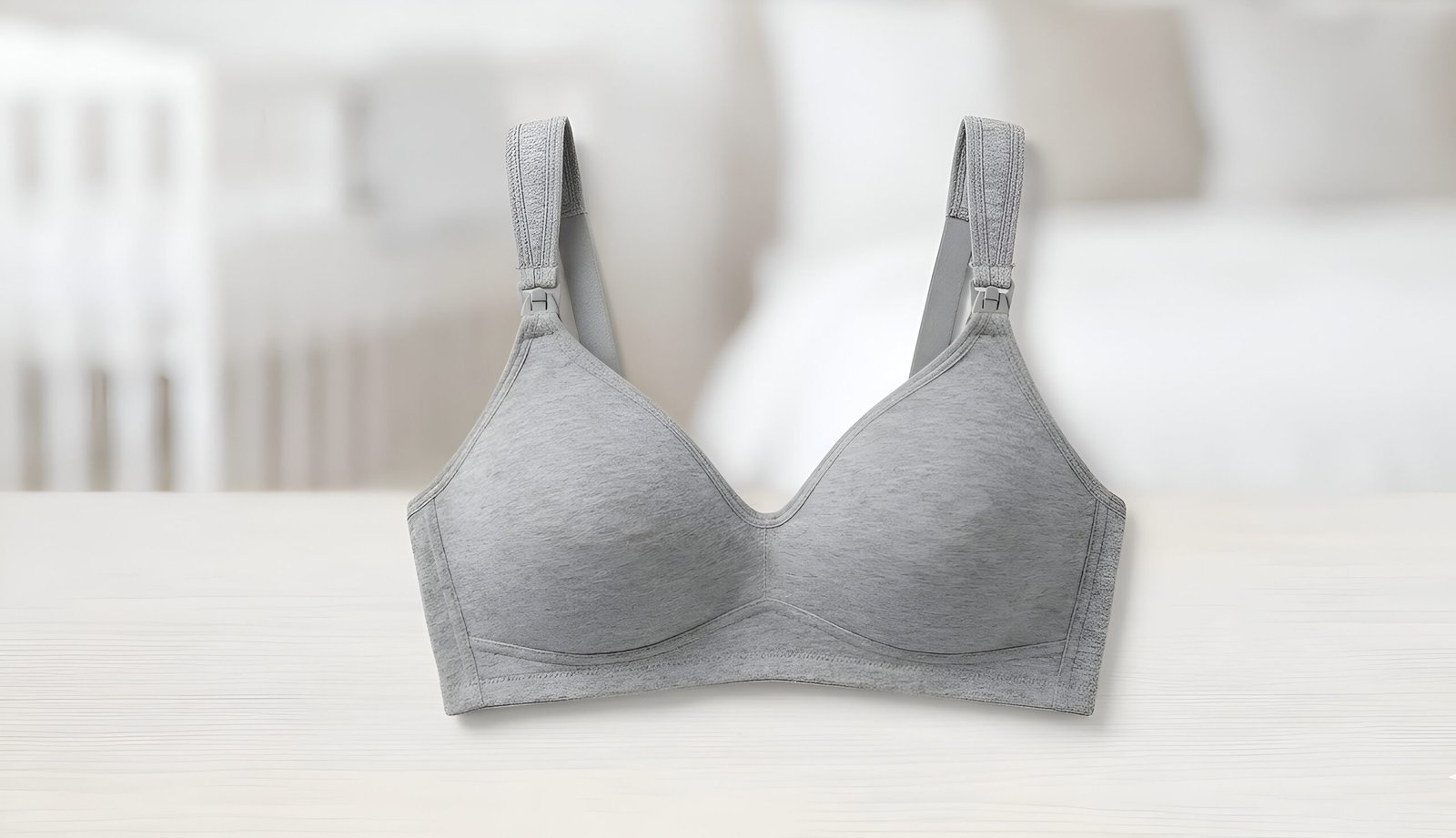
Why a Maternity Bra Deserves More Thought Than Most Pregnant Women Give It
Pregnancy advice arrives from everywhere. Midwives talk nutrition, friends talk sleep, and strangers offer opinions nobody asked for. What rarely gets mentioned is that breast tissue starts responding to hormonal shifts almost immediately after conception. The bra worn comfortably last month can become genuinely painful within weeks. Those changes are real, they arrive early, and tolerating the discomfort is not the only option. A maternity bra exists because the pregnant body has different structural needs, and meeting those needs changes how the entire day feels.
Changes Arrive Earlier Than Expected
Most women anticipate breast growth during pregnancy. Fewer anticipate how quickly it begins. The tissue is not simply expanding — it is restructuring internally, building the ductal and glandular infrastructure needed for lactation. Blood flow increases, skin stretches from internal pressure rather than visible size change, and sensitivity spikes in ways that make even light fabric uncomfortable. Standard bras are designed around a stable chest. Pregnancy removes that stability almost immediately, and the gap between what a regular bra offers and what the body now needs opens faster than most women expect.
Underwire Creates a Specific Problem
Underwire is not inherently problematic. The issue is placement, and placement changes as breast tissue shifts during pregnancy. Tissue migrates outward and downward as volume builds. The wire that previously curved cleanly under the breast begins landing on areas that are newly dense, vascular, and tender. Some lactation consultants link sustained underwire pressure to blocked ducts in early breastfeeding, though evidence remains debated. What is not debated is the discomfort. Pressure marks at day’s end, soreness that worsens through the afternoon, a tightening sensation across the chest — these are signs the current bra is working against the body rather than with it.
Buying Ahead Usually Backfires
The logic behind buying ahead makes sense on paper. Multiple fittings throughout pregnancy feel unnecessary, and purchasing a larger size early seems efficient. In practice, it produces a bra that fits poorly right now, which is precisely when proper support matters most. A too-large cup offers little actual lift. A loose band fails to distribute weight across the back properly. The shoulders absorb load they should not, and by afternoon, the neck and upper back register that extra strain. Getting properly measured at each significant stage of change is the only approach that consistently works.
Sleep Comfort Is a Separate Problem
Daytime discomfort gets addressed because it interrupts movement and activity. Night-time discomfort gets quietly tolerated because sleep feels more urgent than solving it. That trade-off tends not to work. Side sleeping — the recommended position from mid-pregnancy onward — places sustained lateral pressure on unsupported breast tissue. Tenderness that is manageable during the day becomes actively disruptive overnight. A soft, wireless maternity bra worn during sleep provides enough gentle containment to reduce that pressure without adding heat or restriction. Women who build this habit early tend to carry it naturally into the postpartum period, making beginning breastfeeding considerably less complicated.
Nursing Compatibility Is Worth Planning
Choosing a bra that transitions into a nursing bra is not about being overly organised. It is about reducing decisions during an already demanding period. Drop-cup clips, wide adjustable straps, and fabric with genuine stretch to handle early postpartum engorgement are features that serve a real purpose. They are not marketing additions. Sizing will shift again after birth, sometimes significantly in the first week alone. Women who expect that change in advance are far less likely to find themselves without adequate support during the weeks when it matters most.
Conclusion
A maternity bra only reveals its true importance once the right one is finally worn. Back tension, shoulder strain, broken sleep, and early breastfeeding difficulties all connect back to support that either works or simply does not. Getting properly fitted matters. Choosing function over appearance matters. Revisiting sizing as the body continues to change is also important. These are small decisions that quietly compound into a more comfortable pregnancy and postpartum experience — one that most women wish someone had told them about far earlier than they eventually figured it out themselves.