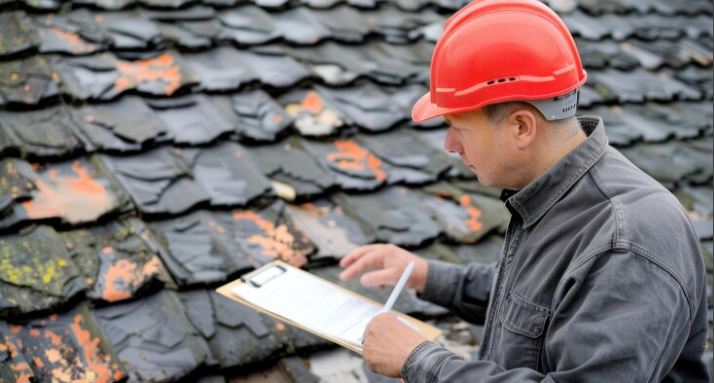
What Homeowners Should Know Before Getting a Roof Estimate
Replacing or repairing a roof is one of the most significant investments a homeowner can make. Understanding what to expect before requesting a roof estimate helps ensure transparency, accuracy, and long-term value. Preparation can also save time and prevent misunderstandings once the project begins.
Understanding the Purpose of a Roof Estimate
A roof estimate provides a detailed breakdown of costs, materials, and labor required for the project. It helps homeowners compare options, evaluate contractors, and make informed decisions about both quality and budget. A well-prepared estimate clarifies expectations before any work starts.
Key Components of a Reliable Estimate
Not all estimates are equal. Certain details indicate professionalism and accuracy. Reviewing these elements carefully helps identify trustworthy roofing services.
- Scope of work, including tear-off, underlayment, and installation details
- Material types and brands, including shingles, flashing, and ventilation components
- Labor costs and estimated completion time
- Warranty coverage for materials and workmanship
- Cleanup and disposal responsibilities
- Payment schedule and accepted methods
How to Prepare Before Requesting an Estimate
Preparation ensures a smoother process and more accurate pricing. Homeowners should gather information about their roof’s age, previous repairs, and any existing issues such as leaks or sagging areas. Clear communication of these details helps the contractor provide a realistic estimate.
It is also wise to schedule the estimate during favorable weather conditions, allowing for a thorough inspection. Taking photos of problem areas or noting attic moisture can give the roofing professional valuable context before the visit.
Comparing Multiple Roof Estimates
Requesting several estimates allows homeowners to identify differences in pricing and approach. The lowest bid is not always the best choice. Instead, focus on overall value, material quality, and the contractor’s experience. Comparing warranties and customer references can highlight who offers the most dependable service.
Some online tools, such as Instant Roofer, allow homeowners to receive quick estimates based on their roof’s size and location. This can serve as a helpful starting point before meeting with local contractors.
Evaluating Materials and Energy Efficiency
The type of roofing material can significantly affect longevity and energy performance. Asphalt shingles remain common, but metal, tile, and composite roofing each offer unique benefits. Considering a roof’s reflectivity and insulation potential can reduce long-term energy costs.
Homeowners should also verify that materials meet local building standards and that they are appropriate for the region’s climate. Discussing options in advance ensures the estimate reflects the best combination of durability and appearance.
Ensuring Transparency and Avoiding Hidden Costs
Unexpected expenses often result from unclear estimates. To minimize surprises, homeowners should confirm that the estimate includes all foreseeable costs. This includes permits, potential structural repairs, and disposal fees. A clear written agreement protects both parties and fosters trust throughout the project.
Maintaining Realistic Expectations
Even with a detailed roof estimate, weather, material availability, or hidden damage can affect timelines and costs. Staying flexible and maintaining open communication with the contractor ensures the project progresses smoothly. A well-documented estimate provides the foundation for resolving any issues fairly.
Building Confidence in the Roofing Process
Getting a roof estimate is more than collecting numbers. It is about understanding what the project entails, comparing options carefully, and choosing a provider who values clarity and quality. Homeowners who invest time in preparation and evaluation can approach their roofing project with greater confidence and peace of mind.