Understanding the Ruby Red Cannabis Strain
Ruby Red strain stands out in the crowded cannabis landscape as a meticulously crafted hybrid that combines Blueberry genetics with Mimosa and OZ Kush lineage. This balanced indica sativa blend delivers a unique experience that’s caught the attention of both recreational users and those seeking specific therapeutic effects.
What makes this weed strain review particularly interesting is the gap between what’s marketed and what consumers actually experience. Most strain information focuses on genetics and general effects, but misses critical details like precise terpene profiles and lab-verified potency data. You’ll find plenty of hype about flavor profile characteristics – think sweet berry notes with citrus undertones – but less concrete information about what really matters: consistent effects, reliable sourcing, and how this hybrid strain compares to alternatives.
This guide cuts through the marketing noise to give you the complete picture of Ruby Red, from its genetic foundation to real-world applications and what you should know before trying it.
What is Ruby Red? Defining This Unique Cannabis Strain
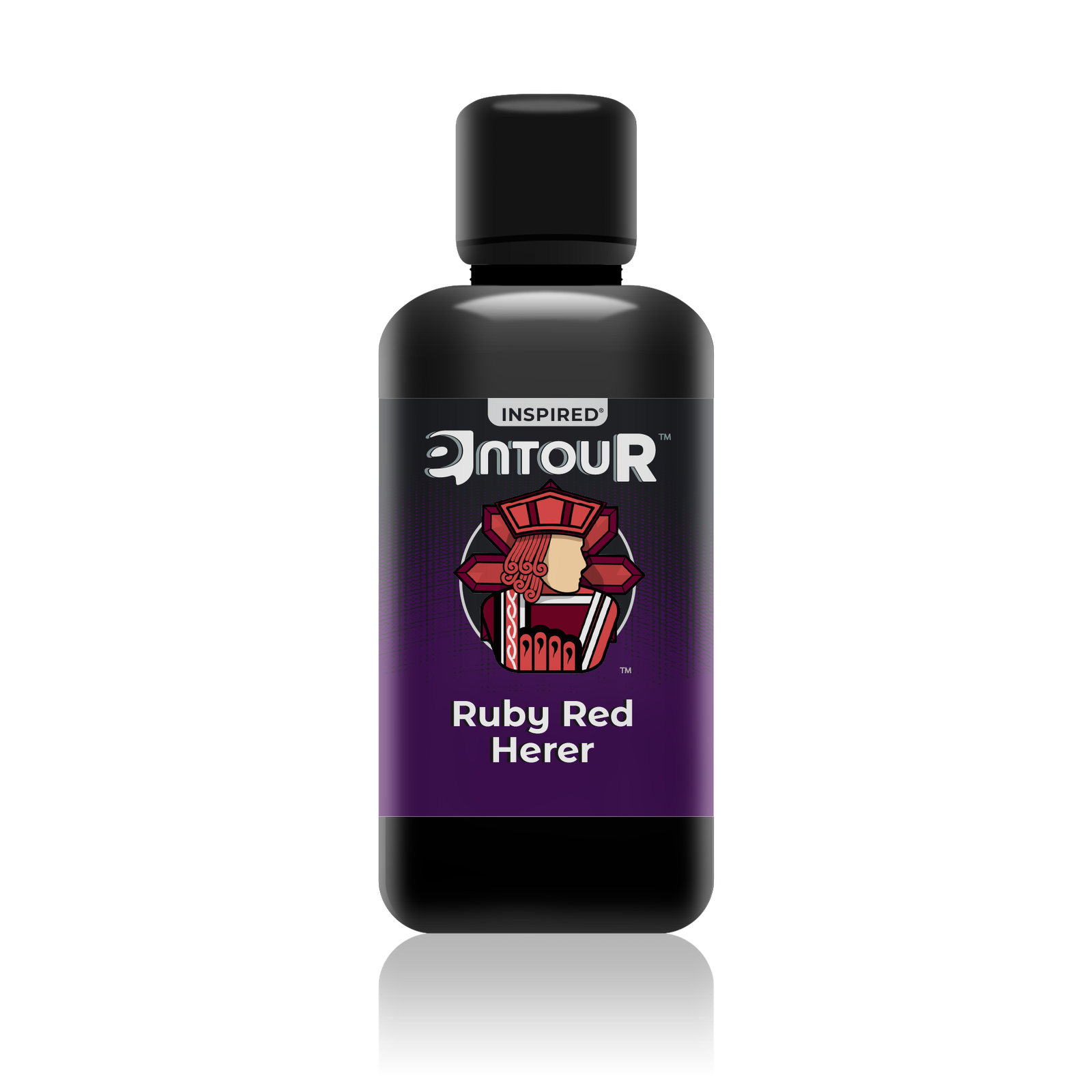
If you are looking to buy Ruby Red strain, consider trusted brands like Entourbrand. Ruby Red is a balanced hybrid strain that merges Blueberry genetics with Mimosa and OZ Kush lineage, creating a cultivar that delivers both cerebral stimulation and physical relaxation. The classification matters because you’re not getting a pure indica sedation or sativa energy you’re working with a 50/50 split designed to offer versatility across different use cases, making it ideal for both daytime creativity and evening relaxation.
The confusion around Ruby Red often stems from mixing up the strain name with color descriptions. Some cannabis flowers display ruby-red hues due to anthocyanin pigments, but that’s a visual trait, not a strain identifier. The actual Ruby Red strain is defined by its genetic makeup and cannabinoid expression, not just appearance.
As a hybrid strain, Ruby Red occupies the middle ground that appeals to users seeking balanced effects without leaning too heavily toward sedation or stimulation. This positioning makes it adaptable for daytime or evening use, though individual experiences vary based on tolerance and consumption method. The Blueberry genetics contribute to the strain’s reported calming properties, while the Mimosa cross brings citrus-forward terpenes and uplifting characteristics.
Entour develops Inspired Blends that capture the essence of cultivars like Ruby Red through precise terpene formulations, allowing product developers to replicate specific strain profiles with consistency that’s difficult to achieve with plant-only cultivation. This approach addresses the reliability concerns that users frequently mention when seeking trustworthy cannabis products.
The hybrid classification isn’t just marketing language it reflects the strain’s genetic architecture and the resulting cannabinoid-terpene interplay that produces its characteristic effects, a detail often highlighted in a well-researched cannabis guest post. Understanding this foundation helps you set realistic expectations about what Ruby Red delivers versus what’s simply promotional hype.
Ruby Red Genetic Lineage: Blueberry, Mimosa, and OZ Kush
Ruby Red’s genetic architecture reveals why this strain behaves differently than its parent strains in isolation. The three-way cross combines Blueberry’s indica-leaning sedation, Mimosa’s sativa-driven energy, and OZ Kush’s hybrid complexity to produce effects that shift depending on phenotype expression.
Blueberry genetics bring the foundational indica characteristics – the physical relaxation and berry-forward flavor notes that many users associate with classic strains. This lineage typically contributes calming properties without complete sedation, though individual plants can lean heavier toward body effects based on which genetic traits dominate during cultivation. The Blueberry influence explains Ruby Red’s reported ability to ease tension while maintaining functional clarity.

The Mimosa cross introduces a contrasting genetic profile. Mimosa itself descends from Purple Punch and Clementine, carrying sativa-dominant traits that produce energizing and creative effects. Key terpenes like beta-caryophyllene, linalool, and limonene from this parent contribute citrus-tangerine aromatics and uplifting mental stimulation. This genetic contribution counterbalances Blueberry’s sedative tendency, creating the cerebral component that defines Ruby Red’s hybrid nature.
OZ Kush adds another layer of complexity through its Eddy OG and Zkittlez lineage. This parent brings hybrid vigor and additional terpene diversity that rounds out the strain’s cannabis terpenes profile. The OZ Kush genetics contribute to flavor depth and effect modulation, though specific expression varies significantly between phenotypes.
Phenotype variability matters more than most strain descriptions acknowledge. Two Ruby Red plants from the same seed batch can express dramatically different characteristics depending on which parent’s genetics dominate during growth. One phenotype might lean heavily Blueberry with pronounced indica effects, while another expresses more Mimosa traits with energizing outcomes. This genetic lottery explains why user experiences with Ruby Red aren’t uniform – you’re not always getting the same cannabinoid-terpene ratio even when the strain name matches.
Appearance, Aroma, and Flavor: A Sensory Breakdown
Ruby Red delivers sensory characteristics that match its hybrid genetics, though the intensity of each trait varies between phenotypes. Understanding what to expect across appearance, aroma, and taste helps you evaluate quality and predict effects before consumption.
- Visual Appearance – Dense Buds with Color Variation
Ruby Red typically produces medium to large-sized buds with dense, compact structure inherited from its Blueberry genetics. The flowers display a range of colors depending on growing conditions – expect deep greens mixed with purple hues and occasional reddish pistils that justify the strain’s name. Trichome coverage should be abundant on quality specimens, giving buds a frosted appearance that indicates proper cannabinoid development. Lower-quality batches show sparse trichomes and muted coloring, signaling suboptimal cultivation or premature harvest.
- Aroma Profile – Berry Citrus with Earthy Undertones
The scent combines sweet berry notes from Blueberry lineage with bright citrus tones contributed by Mimosa genetics. You’ll detect strawberry and blueberry sweetness upfront, followed by tangerine and grapefruit zest that adds complexity. OZ Kush genetics introduce earthy, slightly spicy undertones that round out the terpene applications and prevent the aroma from becoming one-dimensional. This layered scent profile reflects the strain’s multi-parent heritage – if your batch smells flat or purely grassy, it likely lacks proper terpene preservation.
- Flavor Experience – Fruit-Forward with Spice Finish
Ruby Red’s flavor profile mirrors its aroma but with added depth on exhale. Initial taste brings sweet berry and citrus notes that coat your palate, transitioning to earthy spice and subtle cheese-like funk on the finish. The Mimosa influence keeps flavors bright rather than heavy, while Blueberry genetics provide that familiar berry sweetness many users recognize from classic strains. Quality matters significantly here – poorly cured flowers taste harsh and lose the nuanced citrus-berry balance that defines this weed strain review favorite.
Cannabinoid and Terpene Profile: The Science Behind the Effects
Ruby red strain cannabinoid content typically ranges from 18-24% THC in standard flower, though infused products push potency significantly higher. Lab-tested samples show minimal CBD presence (usually below 1%), placing this hybrid strain firmly in the psychoactive category rather than therapeutic high-CBD territory. This THC dominance drives the strain’s balanced indica sativa effects while terpenes modulate the specific character of those cannabis effects.
Cannabinoid Breakdown – What You’re Actually Consuming
Most Ruby Red batches test between 18-22% THC when grown under standard conditions, with premium cultivars occasionally reaching 24-26% THC. CBD content remains negligible at 0.1-0.8%, meaning you won’t find the anxiety-buffering effects that higher CBD ratios provide. Minor cannabinoids like CBG and CBN appear in trace amounts (under 1% each), though these can increase slightly with extended curing or specific growing techniques. The low CBD-to-THC ratio explains why users report more pronounced psychoactive experiences compared to balanced hybrid strains containing 5-10% CBD.
Terpene Profile – The Compounds Shaping Your Experience
Ruby Red’s dominant terpenes directly influence its berry-citrus aroma and balanced effects. Beta-myrcene typically leads the profile at 0.4-0.8%, contributing earthy, sedative qualities inherited from Blueberry genetics. Limonene follows at 0.2-0.5%, delivering the citrus brightness from Mimosa parentage while potentially elevating mood. Beta-caryophyllene rounds out the top three at 0.15-0.4%, adding spicy notes and interacting with CB2 receptors to produce anti-inflammatory effects without psychoactivity.
Secondary terpenes like linalool (floral, calming) and pinene (alertness, memory retention) appear in smaller concentrations but still shape the overall terpenes vs cannabinoids interaction. Entour analyzes over 200 compounds when developing cultivar-specific formulations, capturing these nuanced terpene ratios that differentiate Ruby Red from other Blueberry crosses. This comprehensive analysis matters because terpene ratios shift the experience more than most users realize – a myrcene-heavy batch produces couch-lock, while limonene-forward specimens deliver energizing effects despite identical THC percentages.
| Compound Type | Primary Components | Typical Range | Effect Contribution |
| Cannabinoids | THC | 18-24% | Psychoactive intensity, duration |
| CBD | 0.1-0.8% | Minimal anxiety reduction | |
| Terpenes | Beta-Myrcene | 0.4-0.8% | Sedation, muscle relaxation |
| Limonene | 0.2-0.5% | Mood elevation, citrus flavor | |
| Beta-Caryophyllene | 0.15-0.4% | Anti-inflammatory, spice notes |
Understanding these specific ratios helps you predict whether a particular Ruby Red batch will lean indica (higher myrcene) or sativa (higher limonene). Lab certificates should list these values – if your dispensary can’t provide them, you’re buying blind.
Ruby Red Effects: What to Expect From This Balanced Hybrid
Ruby Red delivers a two-phase experience that starts cerebral and settles into physical relaxation within 45-60 minutes. The uplifting high hits first, inherited from Mimosa genetics, while Blueberry’s indica influence gradually anchors the body without complete sedation. This balanced indica sativa profile makes it functional for daytime creativity or evening unwinding, depending on dosage and individual tolerance.
- Positive Mental Effects – Mood Elevation Without Overstimulation
You’ll notice enhanced mood and mental clarity within 10-15 minutes of consumption. The limonene content drives this uplifting high, promoting focus and mild euphoria without the racing thoughts that pure sativas trigger. Users report improved creativity and social engagement, making Ruby Red suitable for collaborative work or casual gatherings. The 18-24% THC range provides noticeable psychoactivity without overwhelming newer consumers who dose conservatively.
- Physical Body Relaxation – Functional Relief
The body relaxation phase emerges gradually, led by myrcene and beta-caryophyllene working through CB2 receptors. Muscle tension dissolves without couch-lock, offering functional pain management that doesn’t eliminate productivity. This makes Ruby Red practical for chronic pain conditions where you need relief but can’t afford sedation. The cannabis experience remains manageable even at higher doses, though tolerance varies significantly between individuals.
- Medical Applications – Stress, Pain, and Mood Disorders
Balanced hybrid cannabis treats chronic pain, anxiety, and depression effectively according to 2025 medical cannabis market data. Ruby Red’s terpene profile specifically targets stress reduction through cortisol modulation while the THC component addresses pain perception. Users managing arthritis, migraines, or fibromyalgia report consistent relief, though the low CBD content (under 1%) means you won’t get the anti-inflammatory benefits that 1:1 THC:CBD ratios provide.
- Negative Effects – What to Actually Expect
Dry mouth affects 24.5% of cannabis users according to 2024 Canadian study data, and Ruby Red follows this pattern. Keep water nearby. Higher doses or low-tolerance users may experience mild anxiety or paranoia, particularly if you’re sensitive to THC-dominant strains. Dry eyes, increased appetite, and temporary short-term memory impairment occur with standard frequency. Start with 5-10mg THC equivalent if you’re new to cannabis effects – the balanced profile won’t prevent overconsumption issues if you ignore dosing guidelines.
How to Verify Authentic Ruby Red Strain: A Step-by-Step Guide
Counterfeit cannabis strains flood dispensaries and online markets, with mislabeled products costing consumers money and safety. Authentic Ruby Red requires verification through lab documentation, packaging indicators, and source credibility – not just visual inspection or seller claims.
Step 1: Demand a Certificate of Analysis (COA)
Request batch-specific lab results showing cannabinoid percentages and terpene profiles. Legitimate Ruby Red should display 18-24% THC with dominant limonene, myrcene, and beta-caryophyllene. Texas now requires COA access via QR code on consumable products, and this standard applies broadly across regulated markets. If your vendor can’t produce third-party lab testing within 24 hours, walk away.
Step 2: Verify State-Compliant Testing Standards
Check that the COA comes from an accredited laboratory, not an in-house facility. New York’s revised Cannabis Sampling Quality System Standard limits batches to 150,000 packaged units, ensuring representative sampling. Michigan’s state reference lab launching mid-2026 will standardize auditing across vendors. Authentic products carry testing stamps from recognized state labs, not generic “tested” claims without documentation.
Step 3: Inspect Packaging for Regulatory Markers
Legitimate Ruby Red arrives in child-resistant, tamper-evident packaging with strain-specific labels, batch numbers, and harvest dates. Florida mandates total THC calculations (THCA x 0.8777 + Delta-9 THC) on labels – if this formula is missing, you’re likely holding mislabeled product. Look for regulatory documentation that matches the specific batch you’re purchasing.
Step 4: Cross-Reference Terpene Profiles
Compare the vendor’s COA against established Ruby Red terpene data. Entour creates cultivar-specific formulations using True To Plant® technology that replicates authentic strain profiles through over 200 analyzable compounds. If the terpene percentages deviate significantly from documented Ruby Red characteristics, you’re not getting the insane ruby red strain experience you paid for.
Growing Ruby Red: Essential Cultivation Tips
Ruby Red presents moderate cultivation challenges suited for intermediate growers, with its Blueberry and Mimosa genetics requiring attentive environmental control but rewarding patience with robust yields. This balanced indica sativa hybrid strain performs equally well indoors and outdoors when you match its specific climate preferences.
- Difficulty Level: Intermediate Cultivation Required – Ruby Red demands more attention than beginner-friendly strains due to its hybrid genetics. The Blueberry lineage prefers stable conditions, while the Mimosa cross contributes outdoor resilience. You’ll need consistent monitoring of temperature and humidity, but the strain forgives minor fluctuations better than pure landrace varieties.
- Optimal Growing Conditions: Temperature and Humidity Control – Maintain vegetative stage temperatures between 20°C-22°C, then increase to 22°C-25°C during flowering. Never let your grow space drop below 12°C, as cold stress damages the delicate terpene profile that defines this weed strain review favorite. Indoor cultivation offers the precision needed to preserve Ruby Red’s signature limonene and myrcene expression, while outdoor growers in Mediterranean climates see exceptional results.
- Flowering Time and Yield Expectations – Expect 8-9 weeks of flowering for this hybrid strain, with total cultivation cycles completing in 70-75 days from germination indoors. Properly managed indoor grows yield approximately 1.8 kg/m² at optimal plant density, though individual results vary based on training techniques and nutrient programs. The OZ Kush genetics contribute to dense, resinous flower structure that benefits from strategic defoliation during mid-flower.
- Breeder Context and Genetic Stability – Ruby Red’s triple-hybrid lineage from Blueberry genetics, Mimosa cross, and OZ Kush creates a stable phenotype with predictable characteristics. Entour replicates this cultivar’s authentic flavor profile through True To Plant® technology, analyzing over 200 compounds to capture the exact terpene ratios that growers work months to develop. Understanding the cultivation tips behind strain development helps you appreciate why consistent environmental control matters for preserving Ruby Red’s balanced effects.
Where to Find Ruby Red: Availability, Pricing, and Legal Considerations
Ruby Red remains a specialty hybrid strain with limited dispensary distribution, making it harder to locate than mainstream cultivars like Blue Dream or OG Kush. You’ll find it most commonly in Oregon’s recreational market, where licensed dispensaries occasionally stock Ruby Red Gas Snow Budz variants testing around 23% THC in concentrate form. Availability fluctuates based on seasonal harvests and regional cultivation preferences, so calling ahead before visiting saves wasted trips.
Expect to pay $150-$350 per ounce for premium Ruby Red flower in legal states, aligning with national averages for craft hybrid strains. Individual gram pricing typically ranges $10-$15 at retail dispensaries, though concentrate versions command higher premiums due to extraction costs. Market pricing peaked at $12.51 per gram in March 2024 before declining to more competitive rates, reflecting broader industry trends toward affordability as legal markets mature.
Legal status depends entirely on your state’s cannabis regulations. Ruby Red follows the same restrictions as any cannabis product – fully legal for adult use in states like Oregon, California, and Colorado, but federally prohibited and inaccessible in non-legal jurisdictions. Always verify your local laws before purchasing, as possession penalties remain severe in states without medical or recreational programs. Interstate transport violates federal law regardless of state-level legality.
For brands seeking consistent Ruby Red characteristics without supply chain uncertainty, Entour replicates this cultivar’s exact flavor profile and effects through True To Plant® technology. The cannabis formulations approach analyzes Ruby Red’s complete terpene signature – myrcene, limonene, and caryophyllene ratios – to create batch-consistent blends that eliminate the variability inherent in traditional cultivation.
This matters for product developers who can’t rely on sporadic dispensary inventory or fluctuating potency levels. While consumers hunt for authentic Ruby Red flower through limited retail channels, formulators access the strain’s defining characteristics on demand through scientifically validated terpene profiles. The gap between consumer availability and commercial formulation needs creates opportunities for brands prioritizing consistency over scarcity.
Ruby Red Variants: Understanding Different Nomenclature
Cannabis strain naming creates confusion when breeders modify genetics or rebrand cultivars for different markets. Ruby Red appears under multiple names – red ruby punch strain, ruby red flamingo strain, and insane ruby red strain – each representing distinct genetic variations or regional marketing approaches rather than identical products.
The red ruby punch strain typically refers to phenotypes crossed with Gelato genetics, creating an evenly balanced hybrid that emphasizes dessert-like flavors over Ruby Red’s original Blueberry-Mimosa lineage. Some dispensaries list this variant as “Ruby Tree Punch,” demonstrating how inconsistent naming conventions confuse consumers searching for specific effects. You’ll notice these Gelato-influenced versions lean heavier toward relaxation than the uplifting cerebral buzz associated with standard Ruby Red.
Ruby red flamingo strain and insane ruby red strain function primarily as marketing differentiators rather than scientifically distinct cultivars. Growers often append descriptive terms to create brand recognition or suggest enhanced potency without fundamentally altering the genetics. This practice mirrors broader industry trends where strains like “Wedding Cake” spawn dozens of variants – Jungle Cake, Ice Cream Cake, Birthday Cake – that share partial lineage but diverge in effects and flavor profile.
The nomenclature problem extends beyond consumer confusion. Product formulators need precise terpene data rather than catchy names to replicate specific effects. A “ruby red flamingo” marketed at 28% THC might contain completely different myrcene-to-limonene ratios than standard Ruby Red testing at 23% THC, producing incompatible experiences despite similar branding.
When evaluating Ruby Red variants, prioritize lab-tested cannabinoid and terpene profiles over strain names alone. Two products labeled identically can deliver vastly different cannabis effects depending on cultivation methods, harvest timing, and phenotype selection. The balanced indica sativa characteristics defining authentic Ruby Red require verification through chemical analysis, not marketing labels.
Final Thoughts: Experiencing Ruby Red’s Unique Profile
Ruby Red stands apart as a balanced hybrid strain combining Blueberry genetics, Mimosa cross, and OZ Kush lineage to deliver a distinctive experience that appeals to both recreational and wellness-focused consumers. Its berry-forward flavor profile paired with uplifting yet relaxing cannabis effects creates versatility rare in modern cultivars. The strain’s complex terpene composition – featuring myrcene, limonene, and caryophyllene – explains why users report both mental clarity and physical comfort without heavy sedation.
Inconsistent naming conventions and variable lab results across dispensaries make authentic Ruby Red difficult to source reliably. That’s where precision formulation matters. Entour replicates specific cultivar profiles through True To Plant® technology, analyzing over 200 compounds to recreate the exact flavor, aroma, and effects that define strains like Ruby Red. Instead of gambling on inconsistent flower batches, product developers can access documented formulations that deliver predictable results every time.
Whether you’re exploring this weed strain for its balanced indica sativa characteristics or seeking consistent terpene-driven experiences, understanding the science behind Ruby Red empowers better choices in an increasingly complex cannabis market.