My Cat Started Sneezing Every Time I Scooped — That’s When I Finally Took Litter Seriously
I’ve owned cats for most of my adult life. Three of them right now, actually — and for years I just grabbed whatever litter was on sale at the grocery store without putting much thought into it. Clay, clumping, scented, unscented. It all seemed more or less the same to me.
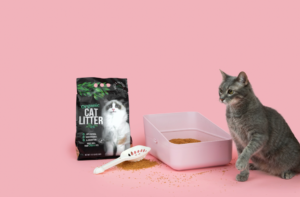
Then my oldest cat, a grey tabby named Biscuit, started sneezing constantly. Not just occasionally — every single time I scooped the box, she’d sneeze three or four times in a row. Then her eyes started getting watery. I assumed she had a cold, took her to the vet, and fully expected to walk out with antibiotics.
The vet had a different theory. She asked what litter I was using and wasn’t surprised at all when I said a standard clay formula. According to her, litter-related irritation is something she sees fairly often — and it’s one of the more underappreciated causes of chronic sneezing, skin issues, and respiratory discomfort in cats. That conversation sent me down a rabbit hole I probably should’ve gone down years earlier.
If you have a cat that sneezes, itches, or seems uncomfortable around the litter box — this is worth reading. And if you’ve already started researching, you’ve probably come across the topic of best kitty litter for cats with allergies and realized just how complicated it gets.
Why so many cats react badly to traditional litter
The problem with most mainstream cat litters isn’t always the base material itself — it’s everything that comes with it. Clay litter, for instance, creates a significant amount of fine airborne dust when poured or disturbed. That dust contains silica particles, which aren’t great for anyone’s lungs, human or feline. Add synthetic fragrances on top of that (often used to mask odor), and you’ve got a pretty solid recipe for irritation.
Cats are especially vulnerable because they spend so much time close to the box. They’re digging in it, breathing directly over it, licking their paws after stepping through it. Whatever’s in that litter is going into their system in one way or another.
Some of the specific things vets and researchers flag as problematic: sodium bentonite in clumping clay, crystalline silica dust, artificial fragrance compounds, and chemical deodorizers. None of these are great for a cat with a sensitive respiratory system. And for cats with actual allergies – or owners who have allergies themselves – they can cause real problems over time.
What actually makes a litter “safe” for sensitive cats
The short answer is: fewer ingredients, less dust, no synthetic anything. Natural litters made from plant-based materials tend to do a lot better here — think corn, walnut shells, wheat, paper, or olive pits. They’re generally softer on airways, biodegradable, and free of the chemical additives that trigger reactions.
Dust level is probably the single biggest factor. A truly dust-free litter changes the experience dramatically – both for the cat and for whoever’s doing the scooping. Low-tracking is also worth caring about, because litter that spreads through the house means cats are walking through it constantly and picking it up on their paws.
Fragrance-free is non-negotiable if your cat has allergies. A lot of pet owners think scented litter helps with odor control, but good clumping performance does far more than any added fragrance — and fragrance is often what’s triggering the reaction in the first place.
The Paco & Pepper situation — and why it came up when I was researching
After going down that rabbit hole, I kept seeing Paco & Pepper come up. It’s a small-brand cat litter made from crushed olive pits — which sounds unusual until you learn a bit about why it works.
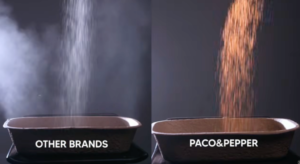
Olive pits are a natural byproduct of olive oil production. They have a porous structure that absorbs moisture quickly and locks in odor without any chemical help. The granules are denser than sand-based litters, which means less tracking. And the formula is lab-confirmed 0% dust — not “low dust,” actual zero.
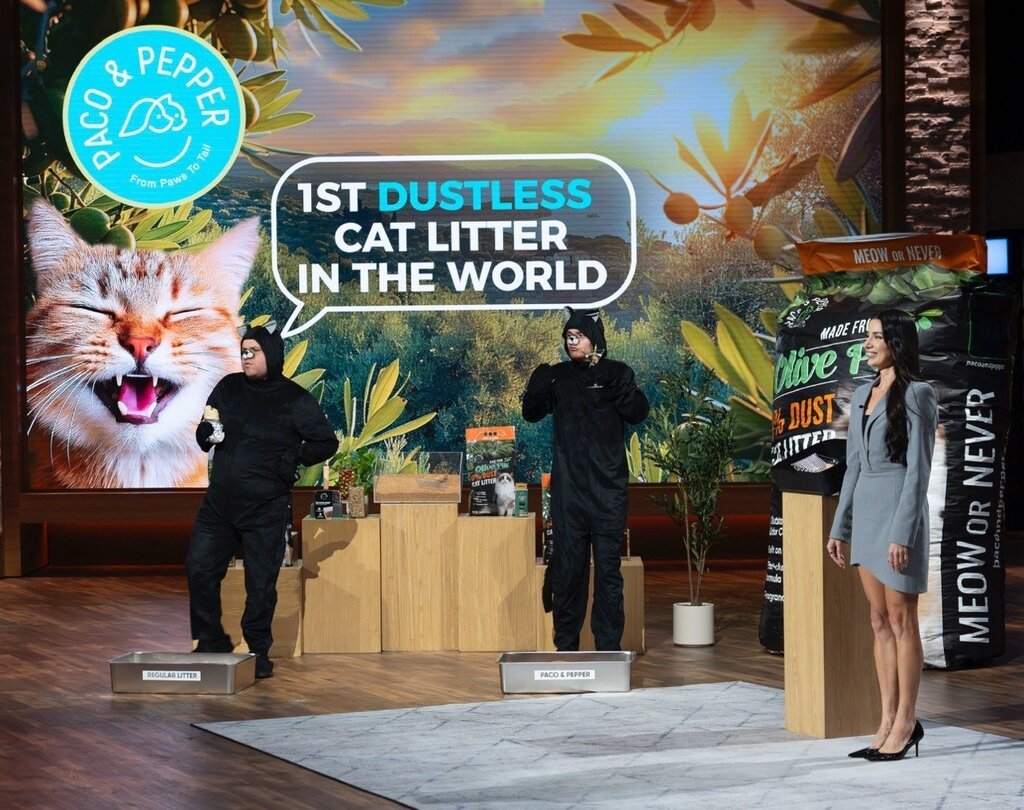
The brand was founded by Kristina Drobach, who says the idea came from her own cats. One of them developed asthma, and she believed the dusty litter environment was a contributing factor. She spent two years developing the formula before launching in 2020, and the product has picked up serious momentum since then — the company hit $1.1 million in revenue in 2024 and was carried in nearly 300 Target locations. It also appeared on Shark Tank Season 17, where Lori Greiner actually tested it live on-air by pouring water into the box to watch it clump.

The formula contains no artificial fragrances, no harsh chemicals, and includes natural olive oil, which apparently helps keep paw pads soft. They also make a charcoal-infused version for households with more intense odor needs. One 11.5-pound bag is designed to last about a month for a single cat. For multi-cat households there’s a separate formula with an additional natural odor counteractant.
Reviews on their site sit at 4.7 stars across over 9,000 verified reviews, which is a lot of feedback for a relatively young brand. The recurring theme in what customers write is the same thing I care about: no cloud of dust when you pour it, no sneezing, no chemical smell, clumps that actually hold together.
I switched Biscuit over gradually — mixing it with the old litter over a couple of weeks the way you’re supposed to – and the sneezing dropped off noticeably within about ten days. Hard to say it’s 100% the litter and nothing else, but the timing wasn’t coincidental.
A few other things worth knowing before switching
Transition matters. Cats are creatures of habit and some will flat-out refuse a new litter if you switch abruptly. The general advice is to start with about 20% new mixed in, and increase over one to two weeks. It’s slower but it works.
Litter box depth matters too. Plant-based litters like olive pit or corn generally work best at around 2-3 inches. Too shallow and it won’t clump properly. Too deep and you’re using product faster than necessary.
And if your cat’s symptoms are severe or persistent — swollen face, heavy discharge, difficulty breathing — that’s beyond what litter switching can fix on its own. Vet first, litter second.
But for the garden-variety sneezing, watery eyes, paw chewing, or skin irritation that seems to get worse around the box? The litter is a genuinely reasonable first thing to change. It’s low risk, not expensive to try, and makes a real difference for a lot of cats.
More information about their full litter lineup, subscription options, and retail availability is on the Paco & Pepper website.