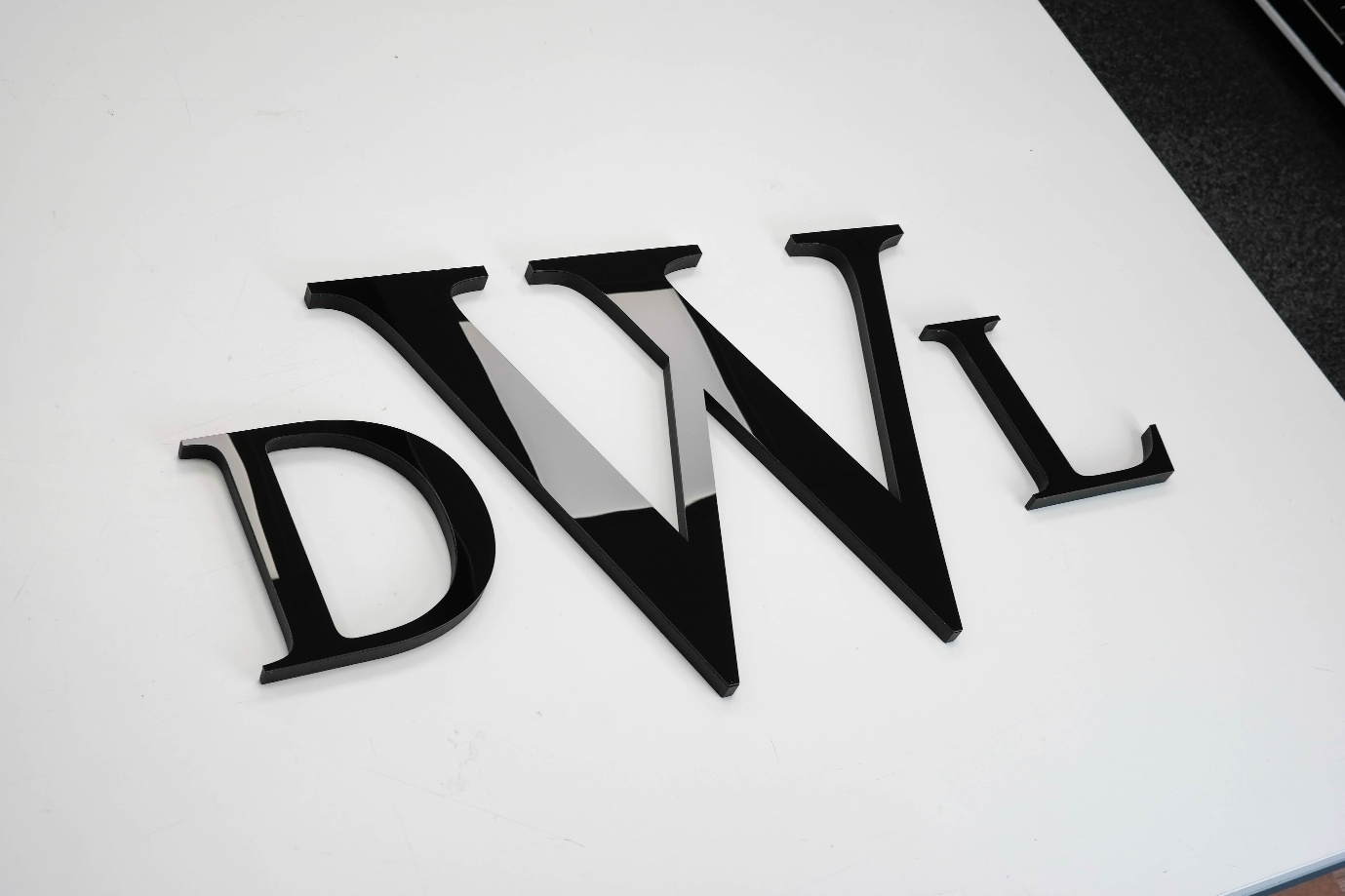
Laser Cut Signs: A Complete Guide to Custom Signage
What Are Laser Cut Signs?
Laser cut signs have become one of the most popular choices for businesses and homeowners looking to create high-quality, precise, and visually striking signage. Over the past decade, many shops, restaurants, and offices across the United Kingdom have turned to this method for signage that reflects professionalism and attention to detail.
Laser cutting uses advanced technology to produce clean edges, sharp lettering, and intricate designs that are difficult to achieve with traditional methods. Whether you are creating shopfront lettering, office branding, house signs, or decorative panels, laser cut signs offer a consistent and high-quality result every time.
This guide covers everything you need to know, including materials, design options, costs, and the process of creating custom laser cut signage.
Why Choose Laser Cut Signs?
Understanding the advantages of laser cut signs helps explain why they are widely used across both commercial and residential projects.
The main benefit is precision. Laser cutting allows for extremely fine detail, making it ideal for logos, small text, and complex designs. The result is a clean, professional finish that enhances the overall appearance of your branding.
For businesses with multiple locations, consistency is also important. Laser cut signage ensures that every sign is produced to the same standard, helping maintain a strong and recognisable brand identity.
Key benefits include:
- High precision– Sharp edges and clean detailing
• Consistent quality– Ideal for multiple signs or locations
• Versatility – Suitable for indoor and outdoor use
• Durability – Long-lasting compared to printed alternatives
• Customisation – Works with a wide range of materials and finishes
These qualities make laser cut signs a reliable choice for businesses that want to create a strong visual impact.
Materials for Laser Cut Signs
The material you choose plays a major role in how your sign looks and performs over time. One of the biggest advantages of laser cutting is the variety of materials available.
Stainless Steel
A popular choice for outdoor signage, stainless steel offers durability and a clean, modern appearance. It is resistant to corrosion and works well for long-term installations.
Mild Steel
More affordable than stainless steel, mild steel is strong but requires protective coatings such as powder coating or paint to prevent rust.
Corten Steel
Corten steel develops a natural rust-like finish over time, creating a distinctive and warm appearance. It is often used for garden signs and decorative panels.
Aluminium
Lightweight and corrosion-resistant, aluminium is ideal for larger signs where weight is a consideration. It is commonly used for shopfront panels and exterior signage.
Acrylic
Acrylic is widely used for modern signage. It can be cut into precise shapes and is often used for illuminated or interior signs.
Wood
Wood offers a natural and approachable look. Materials such as birch plywood or oak are popular for cafés, retail spaces, and interior branding.
Combining materials, such as metal with acrylic or wood, can create layered designs with added depth and a more premium feel.
Cost and Budget Considerations
The cost of laser cut signs can vary depending on several factors. Understanding these helps you plan your project more effectively.
Key cost factors include:
- Material type– Premium metals cost more than basic materials
• Size and thickness– Larger and thicker signs require more material
• Design complexity – Detailed designs increase production time
• Finishes – Powder coating, painting, or special textures add to the cost
A simple acrylic or aluminium sign will typically be more affordable, while larger or more detailed metal signs will require a higher investment.
Although the initial cost may be higher than printed signage, laser cut signs often offer better long-term value due to their durability and quality.
Design and Visual Impact
Design plays a crucial role in how effective your sign will be. A well-designed laser cut sign not only displays information but also enhances your brand image.
Typography and Artwork
Using vector artwork ensures clean and accurate cutting. It is important to maintain suitable line thickness so that letters remain strong and readable after cutting.
Dimensional Options
Laser cut signs can be produced in different styles, including:
- Flat panels with cut-out designs
• Individual letters mounted directly to a surface
• Layered signs combining different materials
These options allow you to create anything from simple signage to more detailed and premium designs.
Finishes
The finish of your sign affects how it is perceived. For example:
- Brushed metal offers a softer, modern look
• Powder-coated colours provide a clean and bold finish
• Natural finishes like wood or Corten steel create a more organic feel
Lighting
Lighting can dramatically improve visibility and impact. Options include:
- Backlit (halo) lighting
• Edge-lit acrylic elements
• Front-lit lettering
Illuminated laser cut signs are especially effective for evening visibility and high-traffic areas.
Popular Uses for Laser Cut Signs
Laser cut signs are highly versatile and can be used across many different environments.
Commercial Use
Businesses commonly use laser cut signage for:
- shopfront fascia signs
• office wall branding
• wayfinding systems
• reception displays
Hospitality and Leisure
Restaurants, hotels, and venues use laser cut signs for:
- logos and branding
• menu boards
• room numbers
• decorative panels
Residential and Garden Use
Laser cut signs are also popular in homes and outdoor spaces, including:
- house nameplates
• garden feature panels
• gate inserts
Events and Exhibitions
Temporary signage such as display panels and branded backdrops can also be created using laser cutting.
This flexibility makes laser cut signs suitable for both functional and decorative purposes.
From Concept to Finished Sign
Creating a custom laser cut sign involves several stages, each contributing to the final result.
Design Stage
You begin by providing your logo or concept. This is converted into a vector format to ensure accuracy during cutting.
Material Selection
The right material is chosen based on location, durability requirements, and desired appearance.
Production
The sign is cut using precision laser equipment. Additional processes may include finishing, coating, or assembling different components.
Installation
Signs can be installed using various methods, including:
- screw fixing
• stand-off fixings
• hidden mounting systems
The installation method depends on the surface and desired visual effect.
Preparing accurate measurements and providing clear design files helps ensure a smooth process from start to finish.
Final Thoughts
Laser cut signs offer a combination of precision, durability, and design flexibility that makes them one of the most effective signage solutions available today.
Whether used for business branding, wayfinding, or decorative purposes, they provide a clean and professional finish that enhances any space.
With the ability to work across a wide range of materials and applications, laser cut signage continues to be a reliable and popular choice for businesses and individuals looking to create high-quality, long-lasting signs.