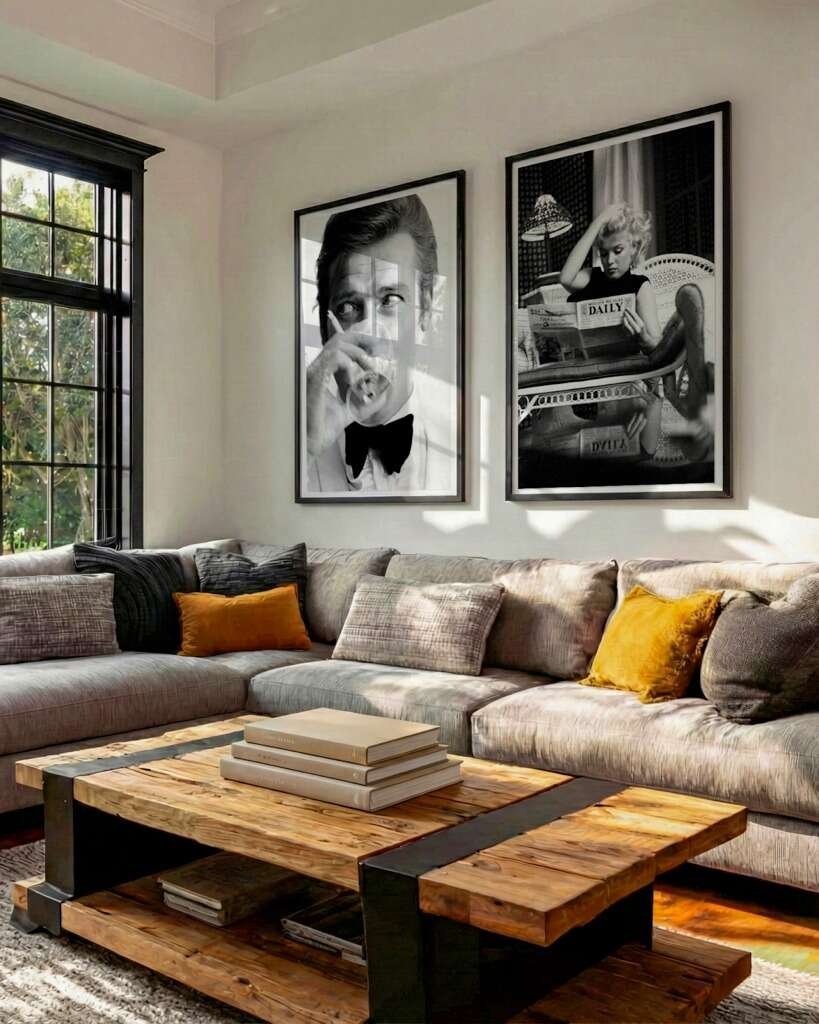
How Slim Aarons Framed Prints Transform Family Living Spaces
Slim Aarons built his reputation photographing what he called “attractive people doing attractive things in attractive places.” The former World War II combat photographer traded battlefields for poolsides, capturing the leisure class of the mid-20th century with an eye that was both documentary and aspirational. His images—sun-drenched, composed, effortlessly glamorous—have outlasted the era they documented, becoming sought-after art pieces that continue to shape how we think about style and sophistication.
For families looking to add visual depth and historical resonance to their homes, Slim Aarons framed prints offer more than decoration. They’re windows into a particular moment in cultural history, rendered with technical precision and narrative clarity. This article examines why Aarons’ work endures, how to select and frame his prints thoughtfully, and what makes mid-century photography a lasting influence on contemporary interiors.
The Enduring Appeal of Slim Aarons’ Photography
Aarons’ transition from war photography to lifestyle documentation wasn’t just a career pivot—it was a deliberate rejection of violence in favor of beauty. After covering conflicts across Europe and Asia, he famously declared his intention to photograph “people who were rich enough to do nothing” in places where the light was good and the living was easy. That philosophy produced a body of work that feels both intimate and theatrical, capturing moments that appear spontaneous but were often carefully orchestrated.
What distinguishes Aarons’ photography from mere society snapshots is his compositional rigor. He understood how to use architecture, landscape, and human figures to create images that function as complete visual statements. A poolside scene in Palm Springs becomes a study in color and geometry. A ski resort gathering transforms into a meditation on leisure and privilege. These weren’t just pictures of wealthy people—they were examinations of how wealth manifests in space, posture, and light.
The continued relevance of his work stems from several factors:
- Visual Sophistication: Aarons’ technical mastery and compositional sense give his images a formal quality that transcends their documentary origins.
- Historical Documentation: His photographs preserve a specific cultural moment—postwar American affluence, European resort culture, the jet-set lifestyle—with ethnographic precision.
- Aspirational Aesthetics: The world Aarons captured represents an idealized vision of leisure that remains culturally potent, even as its social context has shifted.
- Narrative Ambiguity: His best images suggest stories without spelling them out, inviting viewers to construct their own interpretations.
Why Slim Aarons Prints Work in Contemporary Homes
The appeal of Aarons’ work in residential spaces isn’t purely nostalgic. His photographs function effectively in modern interiors because they balance specificity with universality. While they document a particular era, their formal qualities—strong composition, sophisticated color palettes, architectural awareness—make them compatible with various design approaches.
Consider what these prints bring to a living space:
- Visual Anchor: Aarons’ large-format compositions provide focal points that organize a room’s visual hierarchy without overwhelming other elements.
- Color Coordination: His palette—sun-bleached pastels, Mediterranean blues, warm earth tones—complements both neutral and bold interior schemes.
- Conversational Depth: Unlike purely decorative art, these images carry historical and cultural weight that invites discussion and interpretation.
- Tonal Balance: The photographs convey sophistication without pretension, luxury without ostentation—a difficult balance to achieve in residential design.
Interior designers frequently turn to mid-century photography when clients want spaces that feel curated rather than decorated.
Retailers offering Slim Aarons prints suited for contemporary residential interiors include Leisure Piece, Getty Images Gallery, and options at 1stDibs. Comparing available sizes and color accuracy across reproductions—particularly the sun-bleached pastels and Mediterranean blues central to his palette—ensures prints complement your existing color scheme as effectively as the article describes.
Framing Considerations for Photographic Prints
The frame you choose fundamentally alters how a photograph is perceived. With Aarons’ work, the goal is typically to enhance rather than compete—to create a presentation that honors the image’s mid-century origins while fitting contemporary interiors.
Key factors to consider:
- Material Selection: Natural wood frames in walnut or oak complement the warm tones in many Aarons prints, while brushed metal frames suit his more architectural compositions. Avoid ornate or heavily distressed frames that clash with the photographs’ clean modernism.
- Mat Proportions: Generous matting (3-4 inches) gives the image breathing room and signals that it’s being treated as fine art rather than casual decoration. White or cream mats work for most prints, though some designers use colored mats to pull out specific tones from the photograph.
- Glass Quality: Museum glass with UV protection is essential for preserving color fidelity and preventing fading. The investment is significant but necessary for prints you intend to display long-term.
- Scale Appropriateness: Aarons’ compositions often work best at substantial sizes—24×36 inches or larger—where their architectural qualities and narrative details become fully apparent.
Mid-Century Photography’s Influence on Visual Culture
Aarons’ work emerged during a transformative period for photography as an art form. The mid-20th century saw the medium gain acceptance in galleries and museums, moving beyond its documentary and commercial origins to be recognized as a legitimate artistic practice. Photographers like Aarons, along with contemporaries such as Julius Shulman and Ezra Stoller, demonstrated that photography could be both documentary and aesthetic, functional and artistic.
What made mid-century photography distinctive was its embrace of modernist principles—clean lines, bold colors, geometric composition—while maintaining narrative accessibility. These weren’t abstract experiments; they were images that communicated clearly while demonstrating sophisticated visual thinking.
Aarons’ specific contribution was demonstrating that lifestyle photography could achieve artistic legitimacy. His images appeared in magazines like Holiday and Town & Country, serving commercial purposes while maintaining artistic integrity. That dual function—beautiful and useful, artistic and accessible—explains their continued appeal in residential settings.
The vintage quality of these prints adds another layer of meaning. They’re not just images of the past; they’re physical objects with their own history, connecting contemporary viewers to a specific moment in photographic and cultural history.
Acquiring Authentic Aarons Prints
The market for Slim Aarons prints ranges from affordable reproductions to rare vintage prints that command significant prices at auction. Understanding what you’re buying—and what you’re paying for—requires some knowledge of photographic print types and provenance.
Original vintage prints (those made during Aarons’ lifetime, ideally under his supervision) are the most valuable and rarest. Estate-authorized prints, produced after his death using original negatives and approved processes, offer quality and authenticity at more accessible price points. High-quality reproductions, when properly executed, can deliver excellent visual results for residential display.
When evaluating prints, consider:
- Print Method: Archival pigment prints (giclée) on quality paper stock can reproduce the tonal range of original prints with excellent longevity.
- Paper Quality: Museum-grade papers with neutral pH and appropriate weight ensure the print will age well.
- Color Accuracy: Compare prints to established references when possible. Aarons’ palette was specific, and poor reproductions often show oversaturated or shifted colors.
- Documentation: Reputable sellers provide information about print authorization, edition size, and production methods.
You might also be interested in exploring the interior design trends of 2026 that you can look forward to.
Integrating Prints into Family Living Spaces
The practical question for most homeowners is how to display these prints in ways that feel intentional rather than arbitrary. Aarons’ work is versatile, but it functions best when given appropriate context and positioning.
Effective display strategies include:
- Architectural Alignment: Position prints to reinforce a room’s architectural features. A horizontal poolside scene works above a sofa; a vertical composition suits the space beside a doorway or window.
- Thematic Grouping: Multiple Aarons prints can create a gallery wall that tells a visual story—different locations, similar aesthetic sensibility.
- Lighting Design: Picture lights or adjustable track lighting allow you to highlight prints without causing UV damage. Avoid direct sunlight regardless of glass quality.
- Contextual Mixing: Aarons’ prints pair well with other mid-century elements—furniture, ceramics, textiles—creating cohesive period references without feeling like museum recreations.
- Scale Variation: Mixing print sizes creates visual interest while allowing you to emphasize certain images over others.
The goal is integration rather than domination. These prints should enhance your living space’s existing character rather than imposing a foreign aesthetic. When thoughtfully selected and positioned, they add layers of visual and historical interest that deepen over time.
Final Considerations
Slim Aarons’ photography endures because it captured something genuine beneath its glamorous surface—a particular way of seeing leisure, architecture, and human presence in designed spaces. His images work in contemporary homes not despite their historical specificity but because of it. They offer visual sophistication, narrative depth, and a connection to photographic history that few decorative elements can match.
Whether you’re drawn to the formal qualities of his compositions, the historical documentation they provide, or simply the way they make a room feel more considered, these prints reward careful selection and thoughtful display. The investment—in quality reproductions, proper framing, and intentional positioning—pays dividends in spaces that feel curated rather than merely furnished, historically aware rather than trend-driven.