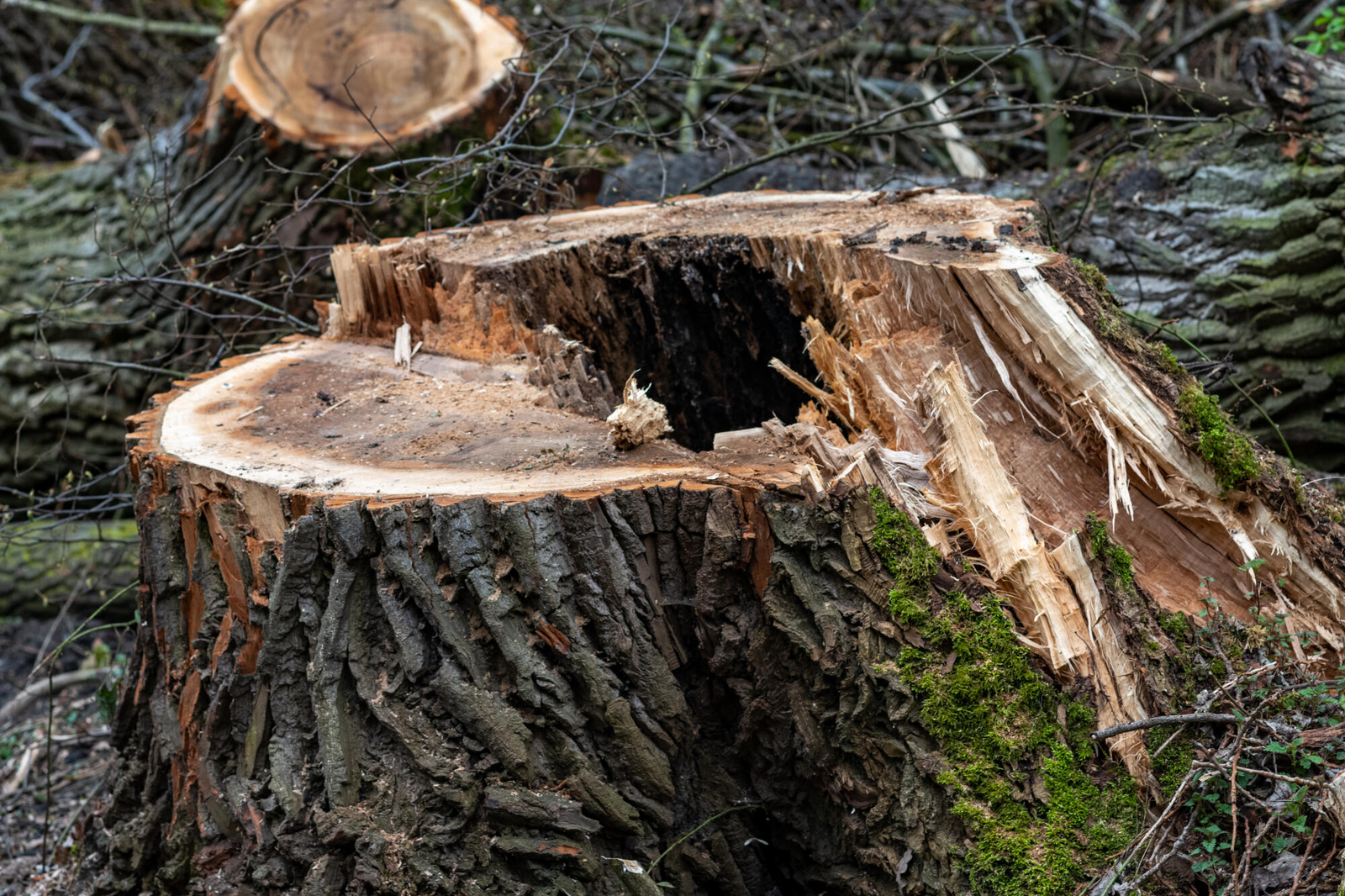
Stump Removal Tips For A Cleaner And More Usable Garden
Ever wondered how much better your garden would look without those old stumps? Tree stumps can make any yard look messy and unfinished. They often get in the way when mowing or planting flowers.
These stumps can even become safety hazards for children and pets. Removing tree stumps offers many benefits for your outdoor space. It helps create a safer and more attractive garden that everyone can enjoy.
This post shares practical stump removal tips you can easily follow at home. Learn how to make your garden safer, cleaner, and more usable by reading on. Keep on reading!
Why Remove Tree Stumps From Your Garden?
Tree stumps left in the garden can cause several problems for homeowners. They take up valuable space that could be used for new types of plants or play areas. Over time, stumps can attract unwanted pests like termites and ants.
The roots may continue to grow, damaging walkways or pipes underground. Children can trip over hidden stumps, leading to injuries while playing. Old stumps can also make garden maintenance much harder.
Mowing or weeding around stumps is always a challenge. Removing them helps your garden look more organized and tidy. It also improves the safety and usefulness of your outdoor area.
The Tools Needed For Safe Stump Removal
Choosing the right tools is essential for safe and effective stump removal. Basic equipment includes a sturdy shovel, an axe, and a pruning saw. A mattock or pickaxe can help loosen stubborn roots in the soil.
For larger stumps, using a chainsaw may be necessary to cut through thick wood. Safety gear is also important, including gloves, eye protection, and sturdy boots.
Wheelbarrows and tarps can make moving debris much easier. Some people rent stump grinders for faster removal. Always gather all necessary tools before starting the project.
Preparing Your Garden Area For The Task
Preparation is key before removing any tree stump from your garden. Start by clearing away any loose rocks, branches, or garden decorations near the stump. Check for underground pipes or wires to avoid damaging them during removal.
Mark out the area around the stump to keep children and pets away. Watering the soil a day before can help soften the ground. This makes digging and root removal much easier.
Make sure all your tools are in good working order. Wear your safety gear before beginning work. Being prepared helps the job go smoothly and safely.
The Manual Digging Method Explained
Manual digging is a classic way to remove small or medium-sized stumps. Begin by digging a trench around the stump with a shovel. Use the mattock to break up tough soil and expose the roots.
Cut through the roots with a saw or axe, working around the stump. Continue digging until you can move the stump back and forth. Wiggle the stump to loosen any remaining roots beneath it.
Pull the stump out carefully, using the shovel for leverage if needed. Remove any leftover roots from the hole. Fill the hole with soil to level the ground.
Using Chemical Stump Removers Safely
Chemical stump removers can speed up the process if digging is too hard. Start by drilling holes into the top of the stump with a large drill bit. Pour the chemical remover into the holes as instructed on the product label.
The chemicals will break down the wood over several weeks. Always wear gloves and eye protection when handling chemicals. Keep children and pets away from the area while the stump decays.
Check the stump’s progress every few weeks. Once soft, you can break up the stump with an axe or shovel. Dispose of the remains safely according to local rules.
The Benefits Of Stump Grinding Services
Stump grinding is a fast, effective way to remove large or stubborn stumps. A machine called a stump grinder grinds the wood into small chips. This process is much quicker than digging or using chemicals.
Stump grinding leaves the area ready for planting or landscaping right away. Many homeowners rent grinders or hire professionals for this job. Always follow safety instructions when using heavy machinery.
Professional services can save time and effort. The wood chips produced can be used as garden mulch. Stump grinding is one of the most efficient stump removal methods available.
Digging Out Large Roots
Large roots can be just as troublesome as the stump itself. Start by digging around the roots to fully expose them. Use a saw or axe to carefully cut through each root.
Sometimes, roots grow deep or spread wide, so patience is needed. Remove as much of the root system as possible to prevent regrowth. Be careful not to damage nearby plants or structures.
Dispose of roots in your garden waste bin or compost pile. Filling in the hole with soil helps restore the garden’s level surface. Removing large roots gives your garden a cleaner and neater appearance.
How To Dispose Of Stump Debris Properly
Proper disposal of stump debris keeps your garden tidy and safe. Wood chips from stump grinding can be spread as mulch around plants. Small roots and wood pieces can be added to the compost heap if they are disease-free.
Larger debris may need to be bundled for curbside pickup or special disposal. Never burn stump debris without checking local fire regulations. Some areas offer green waste collection for garden materials.
Using a wheelbarrow to move debris makes the job easier. Keep the area clear to prevent accidents. Proper disposal helps keep the garden neat and usable.
Natural Ways To Speed Up Stump Decay
Nature can also help remove unwanted stumps over time. One method is to keep the stump moist, which encourages fungal growth and decay. Covering the stump with soil or mulch speeds up decomposition.
Adding nitrogen fertilizer can also help break down the wood faster. Drilling holes in the stump allows water and nutrients to reach inside. Check the stump every few months to track progress.
Removing softened wood as it decays makes room for new growth. This method is slow but requires no chemicals.
It is an eco-friendly option for patient gardeners. Natural decay keeps your garden safe from harsh substances.
When To Call A Professional
Sometimes, removing a stump is too difficult or risky to do alone. Large stumps near buildings, pipes, or wires require expert help. Professionals have the right tools and experience to do the job safely.
Attempting to remove tricky stumps without help can cause damage or injury. Professional services often include cleanup and disposal. Costs vary depending on the stump’s size and location.
Ask for quotes from several providers before choosing one. A professional can complete the job quickly and correctly. Hiring help ensures your garden remains safe and attractive.
Preventing Tree Stump Regrowth
Some stumps may try to regrow after removal, especially if roots are left behind. To stop this, remove as much of the root system as possible during the process. Applying a stump killer or herbicide to fresh cuts can prevent shoots from forming.
Covering the area with mulch or soil blocks sunlight and discourages new growth. Check the spot regularly for any signs of regrowth. Quickly remove any new shoots that appear.
Planting grass or ground cover helps outcompete potential regrowth. Properly dispose of all woody remains. Preventing regrowth keeps your garden neat and low-maintenance.
How To Fill And Restore The Stump Hole
After stump removal, a hole will remain in the garden. Begin by filling the hole with loose soil and packing it down lightly. Add compost or fertilizer to enrich the area for future planting.
Water the filled area to help the soil settle naturally. Plant grass seed or lay sod for a seamless look. Keep the soil moist until new grass appears.
If the area sinks over time, add more soil as needed. Covering the spot with mulch is another way to restore the space. Filling and restoring the hole ensures a smooth and usable garden surface.
Safety Tips For DIY Stump Removal
Safety should always come first when removing stumps yourself. Always wear gloves, boots, and eye protection to guard against injury. Keep tools sharp and in good condition to avoid accidents.
Never use power tools when children or pets are nearby. Follow all instructions on chemical or mechanical removal products. Work during daylight hours for better visibility.
Take breaks to avoid fatigue, especially during manual digging. Never rush the job, as impatience leads to mistakes.
If unsure about any step, seek advice or hire a professional. Following safety tips protects both people and property during stump removal.
Can Stump Removal Improve Garden Health?
Yes, removing stumps can greatly improve your garden’s health. Old stumps may harbor fungi, pests, or diseases that spread to other plants.
Clearing them lets new plants thrive without competing for nutrients. It also improves air and water flow in the soil. More sunlight can reach your garden beds after stumps are removed.
The garden becomes easier to maintain and keep clean. Healthier soil supports better plant growth and flowering.
Removing stumps also stops roots from damaging pipes or structures. A healthy garden is a happy and productive one. Stump removal is a step toward overall garden wellness.
Landscaping Ideas For Your New Garden Space
Once a stump is gone, you can transform the area into something beautiful. Plant a new tree or colorful flowers where the old stump was. Consider adding a small garden bench for relaxation.
Install a birdbath to attract wildlife and create a peaceful spot. Create a vegetable patch for fresh produce. Mulch the area to keep weeds away and enrich the soil.
Pathways or stepping stones can add charm and improve access. Edging the new space with stones or plants gives a tidy appearance.
Use the cleared space to expand your outdoor living area. Stump removal opens endless possibilities for garden design.
How To Save Time And Effort
Stump removal can be hard work, but there are ways to make it easier. Planning and gathering all tools beforehand saves time during the job. Renting equipment like stump grinders can speed up the process.
Asking friends or neighbors for help can make the work faster and safer. Tackling small stumps yourself can save money, while professionals handle larger ones. Using mulch or plants afterward means less maintenance later.
Reading guides and watching demonstration videos can help avoid mistakes. Check local disposal rules to save time later. Using Lifes Tree Doctor stump grinding services is a smart choice for efficiency and great results. Smart planning and teamwork make stump removal much less stressful.
Common Mistakes To Avoid
Avoiding common mistakes makes stump removal safer and more successful. Do not start without the right safety gear and tools. Ignoring underground pipes or wires can lead to costly damage.
Skipping safety checks on power tools is risky. Never leave holes unfilled after removing a stump. Failing to dispose of debris properly attracts pests and makes the garden messy.
Rushing the job usually leads to errors or injury. Using chemicals without reading instructions can harm people, pets, or plants.
Forgetting to check for regrowth allows new shoots to appear. Learning from mistakes keeps your garden safer and neater.
Budget-Friendly Stump Removal Tips
Stump removal does not have to be expensive if you plan carefully. Use manual digging for small stumps to save on equipment rental. Borrow or rent tools from neighbors or local stores to lower costs.
Try natural decay methods for an eco-friendly and budget-friendly option. Collect wood chips for mulch instead of buying new materials. Seek community cleanup events that accept garden waste for free.
Watch for discounts from professional services during slow seasons. Avoid fines by following local disposal rules.
Combine several small projects to save time and money. Budget-friendly tips make stump removal possible for every household.
Create The Garden You’ve Always Wanted
Removing tree stumps brings many benefits to both your garden and your family. Consequently, it makes room for new plants, play areas, or relaxing nooks and crannies. Removing potential trip hazards increases safety.
The garden appears cleaner, healthier, and more enjoyable for everyone. Following these guidelines will make the stump removal process simpler and safer. You can achieve success by using straightforward tools or by contacting professionals.
Did you like this guide? Great! Please browse our website for more!