How to Stage a Home for Photos That Convert Online Buyers
High-quality photos are often the first impression a potential buyer has of a property. Proper staging can transform a space from ordinary to irresistible, helping listings stand out in a crowded market. Understanding how to prepare a home for photography is key to capturing the interest of online buyers.
Preparing the Space for Visual Impact
The first step in effective staging is decluttering. Removing personal items and unnecessary furniture allows rooms to appear larger and more inviting. Clean surfaces, clear countertops, and minimal decor help buyers focus on the space rather than the belongings within it.
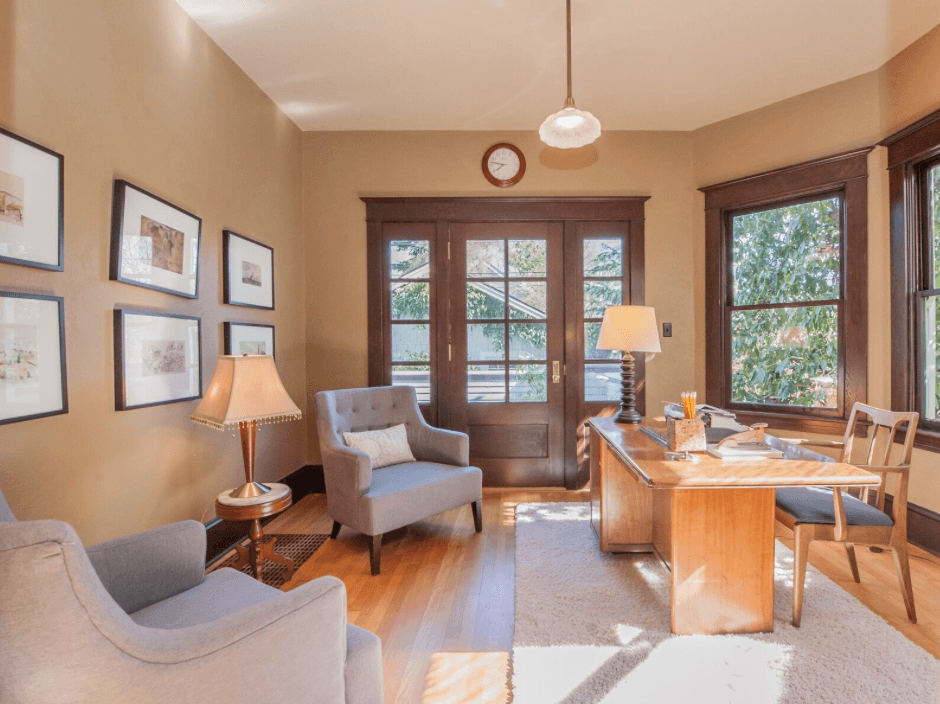
Lighting plays a critical role in photography. Natural light enhances warmth and clarity, so open curtains and blinds to let it in. In darker areas, use soft white bulbs to maintain consistency across all rooms. Balanced lighting prevents harsh shadows and creates an inviting atmosphere.
Design Choices That Elevate Visual Appeal
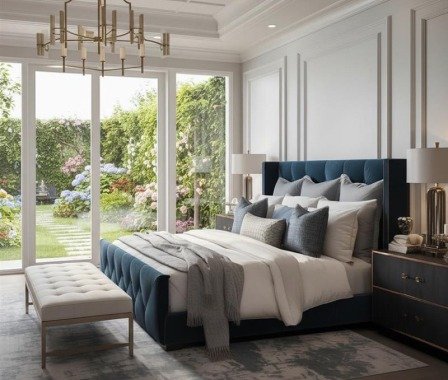
Neutral tones photograph best and appeal to a wider audience. Soft shades of white, gray, and beige provide a clean canvas that lets architectural details shine. Pops of color can be added through accessories such as pillows or artwork, but these should be subtle and well-coordinated.
In luxury real estate staging, attention to texture and proportion is essential. Layered fabrics, statement lighting, and carefully chosen furniture pieces create depth and sophistication. Every element should feel intentional, showcasing the property’s best features without overwhelming the viewer.
Highlighting Key Areas
Photographers often focus on living rooms, kitchens, and master bedrooms, as these spaces strongly influence buyer perception. Ensure these rooms are perfectly arranged before the shoot. Add fresh flowers, neatly folded towels, or a simple centerpiece to create a sense of comfort and elegance.
Outdoor spaces should not be overlooked. A tidy patio or well-arranged balcony can extend the home’s appeal and help potential buyers imagine themselves enjoying the space. Simple touches, such as a small table setting or potted plants, enhance the visual connection between indoor and outdoor living.
Staging Strategies for Online Presentation
When preparing a property for digital listings, consider how images will appear on various devices. Wide-angle shots work well for online platforms, but they must be balanced to avoid distortion. Each photo should capture the flow of the home, drawing the viewer from one space to the next.
- Keep decorations minimal and cohesive.
- Use symmetry to create visual harmony.
- Ensure all surfaces are spotless before photography.
- Hide cords, remote controls, and everyday clutter.
Professional staging and photography work hand in hand. A well-staged home allows the camera to capture depth and proportion more effectively, producing images that inspire confidence in potential buyers. This collaboration is particularly important in NYC staging, where properties compete for attention in a fast-moving market.
Creating Emotional Connection Through Imagery
Beyond aesthetics, staging should evoke a lifestyle. Buyers are not only looking for rooms but for the feeling those rooms create. A cozy reading nook, inviting dining setup, or soft bedding can help create emotional resonance that encourages further inquiry.
Small details make a big difference. Scented candles, neatly arranged books, or a subtle throw blanket can enhance the story the photos tell. These finishing touches help transform a property from a simple listing into a desirable home that feels ready to move into.
Maintaining Consistency Across All Images
Consistency strengthens visual storytelling. Each photograph should reflect the same style and tone, helping viewers imagine a seamless experience throughout the property. If one room feels dramatically different, it can disrupt the overall impression.
By aligning color palettes, lighting balance, and decor style, sellers ensure that every image contributes to a cohesive presentation. This approach builds trust and keeps potential buyers engaged, increasing the likelihood of conversions from online views to in-person visits.