Common Caulking Failures in Commercial Properties and How to Prevent Them
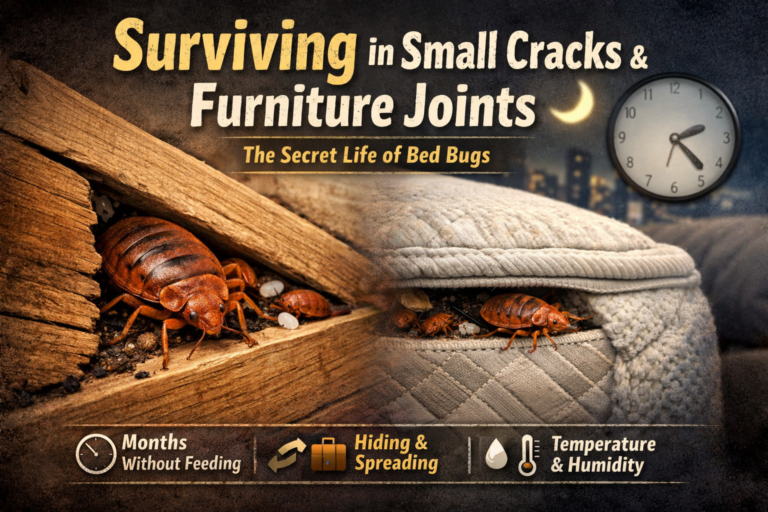
Proper caulking is essential for maintaining the integrity and efficiency of commercial buildings. When sealants fail, they can allow moisture, air, and pests to enter, leading to costly structural damage and energy loss. Understanding the common causes of caulking failures helps property managers and maintenance teams take preventive action.
Typical Causes of Caulking Failure
Even high-quality sealants can fail if applied under poor conditions or without proper surface preparation. Recognizing these issues early can extend the life of the material and reduce maintenance costs.
- Improper surface preparation: Dust, grease, or old residue can prevent adhesion, causing the sealant to peel or crack prematurely.
- Incompatible materials: Using a sealant that does not suit the substrate or environmental conditions often leads to separation and leaks.
- Movement and expansion: Buildings expand and contract with temperature changes. Without flexible sealants, joints may tear or lose their seal.
- Weather exposure: Prolonged sunlight, rain, or freeze-thaw cycles can degrade sealants, especially if they are not UV or temperature resistant.
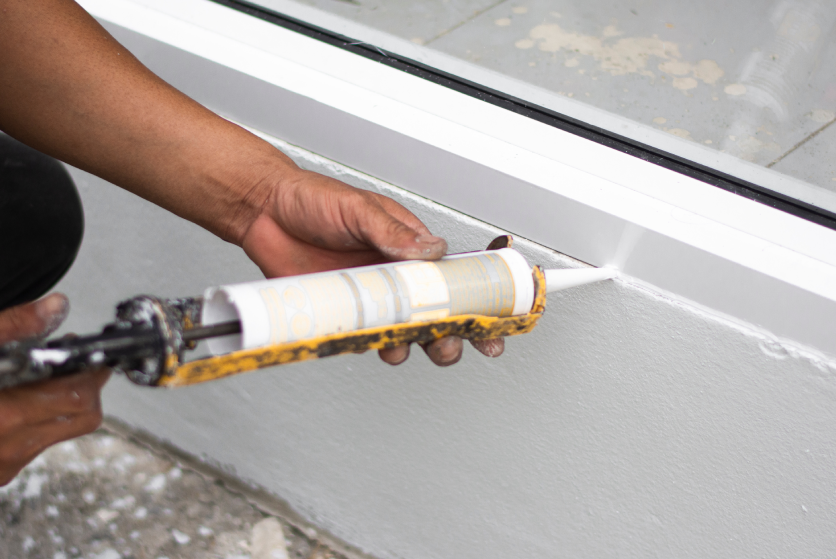
- Poor workmanship: Uneven application, incorrect depth, or missing areas can create weak spots that fail early.
Visible Signs of Deterioration
Identifying early warning signs of failing sealant can help prevent larger structural issues. Regular inspections are key to maintaining a watertight envelope.
- Cracking or shrinking along joints and edges
- Discoloration or staining around sealed areas
- Visible gaps or pulling away from surfaces
- Increased drafts or moisture near windows and panels
These indicators suggest that the sealant is losing its adhesion or elasticity, requiring prompt evaluation and replacement.
Preventive Maintenance Practices
Preventing caulking failures involves consistent maintenance and the correct use of materials. Applying these strategies can greatly enhance the performance of sealants in commercial environments.
- Inspect joints annually and after extreme weather events.
- Choose sealants designed for specific materials like metal, glass, or concrete.
- Clean surfaces thoroughly before applying new sealant.
- Ensure proper joint design to accommodate expansion and movement.
- Store and apply products within the temperature ranges recommended by the manufacturer.
Professional Assistance for Long-Term Results
While routine checks can be handled internally, complex repairs often require expert evaluation. Working with specialists ensures that the correct materials and techniques are used, particularly for large or high-traffic structures. Experienced teams providing commercial caulking services can identify potential problem areas and deliver durable solutions that maintain building performance.
Enhancing Building Efficiency Through Quality Caulking
High-quality sealant work supports energy efficiency, indoor comfort, and structural protection. By addressing minor issues promptly and using professional-grade products, property owners can avoid major repairs. Regular inspection and maintenance through trusted caulking services play a vital role in extending the lifespan of commercial properties and preserving their overall value.