Finding the Right Fit: A Guide to Size 15 Men’s Shoes
For men who wear size 15 shoes, the search for well-fitting footwear often feels like navigating a market that wasn’t built with them in mind. While the average American man wears between size 9 and 12, those with larger feet face a retail landscape where options thin out dramatically past size 13. The consequences extend beyond limited selection—poorly fitted shoes can lead to chronic discomfort, postural problems, and long-term foot health issues that many people don’t connect to their footwear until the damage is done.
This guide addresses the practical realities of finding size 15 men’s shoes that actually work. We’ll cover how to measure your feet accurately, what features matter most for different activities, and where the market is heading in terms of both availability and sustainability. Whether you need running shoes that won’t cause injury or dress shoes that don’t compromise on style, understanding your options starts with understanding why fit matters in the first place.
The Reality of Shopping for Size 15 Feet
The challenges begin in physical retail stores, where inventory typically stops at size 13 or 14. According to research on foot size trends, only a small percentage of men require sizes above 14, which means most retailers don’t stock them on shelves. This forces many shoppers online, where they face a different problem: buying shoes without trying them on first.
Proper measurement becomes critical in this context. Feet change over time due to age, weight fluctuations, and even time of day—they tend to swell slightly by evening. Measuring both feet while standing, ideally later in the day, provides the most accurate baseline. Many people discover they’ve been wearing the wrong size for years, compensating with looser laces or simply accepting discomfort as normal.
For those seeking size 15 options with consistent availability, specialty retailers focus specifically on extended sizes, offering a range that typical stores can’t match. This specialization matters because it’s not just about length—width, arch support, and toe box shape all vary significantly between brands, and having multiple options to compare makes finding the right fit more feasible.
Why Proper Fit Matters More Than You Think
The health implications of ill-fitting shoes extend well beyond blisters. Shoes that are too tight compress the toes, potentially leading to bunions, hammertoes, and nerve damage. Shoes that are too loose allow excessive movement inside the shoe, causing friction and instability that can affect your gait and, over time, your knees, hips, and lower back.
Consider these specific benefits of properly fitted footwear:
- Reduced injury risk: Shoes that fit correctly provide stable support, decreasing the likelihood of ankle rolls and falls, particularly during physical activity.
- Better circulation: Adequate space prevents compression of blood vessels in the feet, which is especially important for people with diabetes or circulatory conditions.
- Improved athletic performance: In running and sports, proper fit translates directly to better energy transfer and reduced fatigue.
- Prevention of chronic conditions: Long-term wear of poorly fitted shoes contributes to plantar fasciitis, Morton’s neuroma, and other painful conditions that can take months to resolve.
The American Academy of Family Physicians notes that many common foot problems are directly attributable to inappropriate footwear, yet patients often don’t make the connection until symptoms become severe. For men with size 15 feet, the temptation to settle for “close enough” when options are limited can have real consequences over time.
Selecting Running Shoes for Larger Feet
Running places unique demands on footwear. Each foot strike generates force equivalent to two to three times your body weight, and for runners with larger feet, finding shoes that can handle this impact without breaking down prematurely requires attention to specific features.
Key considerations for size 15 running shoes include:
- Midsole cushioning: Look for EVA foam or newer materials like TPU that compress and rebound effectively. Heavier runners typically need firmer cushioning that won’t bottom out after a few hundred miles.
- Heel counter structure: A reinforced heel cup keeps your foot stable during the gait cycle, preventing the inward or outward rolling that can lead to injuries.
- Toe box dimensions: Your toes should have room to splay naturally on impact. A cramped toe box in a size 15 shoe defeats the purpose of having the correct length.
- Outsole durability: Larger shoes mean more material contacting the ground. High-abrasion rubber in key wear zones extends the shoe’s functional lifespan.
Gait analysis, offered by many specialty running stores, can reveal whether you need additional support features like medial posts for overpronation. For runners specifically shopping in larger size ranges, Big Shoes, Zappos, and Running Warehouse are among the retailers with dedicated extended-size selections that go beyond the standard size 15 cutoff most general retailers observe.
Everyday Sneakers: Balancing Style and Function
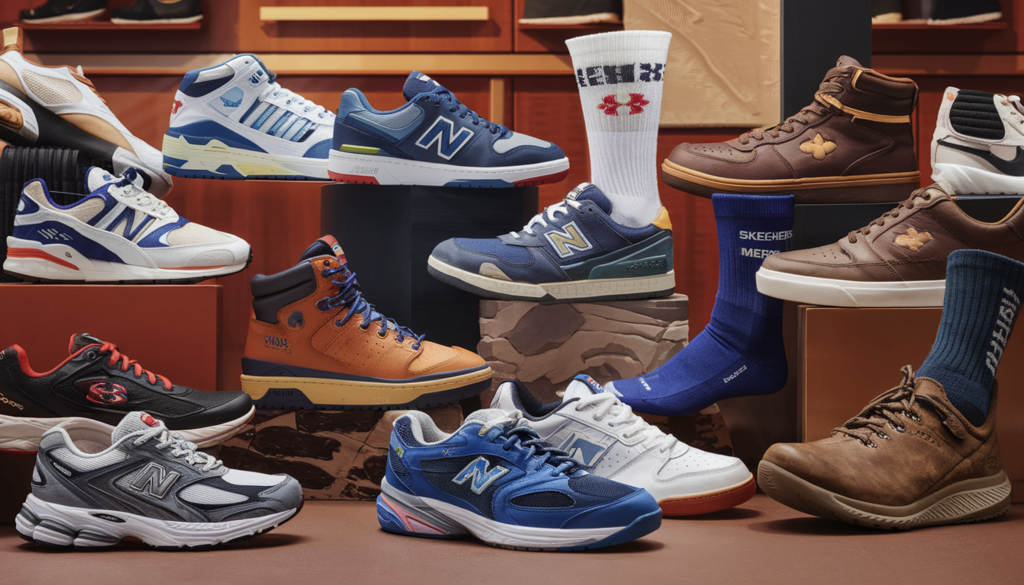
The sneaker market has expanded significantly for extended sizes in recent years, driven partly by the athleisure trend and partly by brands recognizing an underserved customer base. Men with size 15 feet now have access to styles that were previously unavailable in their size, from minimalist court shoes to chunky retro designs.
When evaluating casual sneakers, consider these factors:
- Construction quality: Stitching, glue application, and material grade determine how well a sneaker holds up to daily wear. Larger shoes experience more stress at seams and flex points.
- Insole support: Many casual sneakers come with minimal insoles. Aftermarket orthotics or upgraded insoles can transform an otherwise mediocre shoe into something genuinely comfortable for all-day wear.
- Breathability: Mesh panels, perforated leather, or knit uppers allow air circulation, which matters more in larger shoes where internal volume can trap heat and moisture.
- Aesthetic proportion: Some sneaker designs simply look unbalanced in very large sizes. Trying on different silhouettes helps identify which styles work visually.
Brand consistency varies—a size 15 from one manufacturer may fit differently than the same size from another. Reading reviews from other customers with similar sizing needs provides insight that standard product descriptions miss. Online communities and forums dedicated to extended-size footwear often share detailed fit comparisons across brands.
Matching Shoes to Occasions
Different contexts demand different footwear characteristics. A shoe that works for a wedding won’t serve you well on a hiking trail, and trying to make one pair do everything typically means compromising on performance across the board.
For formal situations, consider:
- Leather quality and construction: Full-grain leather ages better than corrected grain or synthetic materials. Goodyear welt construction allows for resoling, extending the life of dress shoes significantly.
- Last shape: The last determines the shoe’s silhouette. A sleeker last looks more refined but may require a half-size up for comfort in extended sizes.
- Break-in period: Quality dress shoes often require wearing in. Plan ahead rather than buying new formal shoes the week before an event.
For casual wear, prioritize:
- Versatility: Neutral colors and classic designs pair with more outfits, maximizing value when options are limited.
- Easy maintenance: Materials that clean easily and don’t require special care make daily wear more practical.
- Comfort from day one: Unlike dress shoes, casual footwear should feel good immediately without extensive breaking in.
For athletic activities, focus on:
- Sport-specific features: Basketball shoes need ankle support and lateral stability; tennis shoes need toe reinforcement; trail runners need aggressive tread patterns.
- Replacement schedule: Athletic shoes lose cushioning and support over time. Most should be replaced every 300-500 miles of use, regardless of visible wear.
- Activity-appropriate fit: Some sports benefit from a snugger fit, while others need more room. Understanding these nuances prevents both discomfort and injury.
Sustainable Footwear in Extended Sizes
The environmental impact of footwear production has come under increasing scrutiny. Shoes are resource-intensive to manufacture and difficult to recycle, with an estimated 300 million pairs ending up in landfills annually in the United States alone. For consumers who care about sustainability, finding eco-conscious options in size 15 has historically been challenging, but the market is evolving.
Several approaches define sustainable footwear:
- Recycled materials: Uppers made from recycled plastic bottles, fishing nets, or textile waste reduce demand for virgin materials. Some brands now use recycled rubber in outsoles as well.
- Natural materials: Organic cotton, natural rubber, and vegetable-tanned leather avoid the chemical treatments and synthetic processes of conventional production.
- Durability focus: Shoes designed to last longer, with replaceable components and repair-friendly construction, reduce overall consumption regardless of materials used.
- Transparent supply chains: Brands that disclose their manufacturing processes and labor practices allow consumers to make informed decisions beyond just environmental factors.
Extending the life of footwear through better quality and repairability has a more significant environmental impact than material substitution alone. This suggests that investing in well-made shoes, even if they cost more upfront, serves both practical and environmental goals.
For those interested in sustainable options, some brands now offer extended sizes in their eco-friendly lines. The key is balancing environmental considerations with the practical need for proper fit—a sustainable shoe that doesn’t fit well and goes unworn serves no one.
Moving Forward with Better Footwear Choices
Finding the right shoes when you wear size 15 requires more intentionality than it does for people with average-sized feet. The market is improving, with more brands recognizing that extended sizes represent a viable customer base, but challenges remain. Limited retail availability means most shopping happens online, which demands careful attention to return policies and fit guidance.
The investment in proper footwear pays dividends in comfort, health, and longevity. Shoes that fit correctly reduce injury risk, prevent chronic foot problems, and simply make daily life more comfortable. For activities from running to formal events, having appropriate footwear designed for your actual size rather than making do with close approximations changes the experience fundamentally.
As sustainability becomes a more prominent consideration in consumer choices, the footwear industry is slowly adapting. Extended sizes are beginning to appear in eco-conscious product lines, though availability still lags behind standard sizes. The most sustainable choice often comes down to buying quality items that last, regardless of specific material certifications.
Whether you’re replacing worn-out running shoes, looking for versatile everyday sneakers, or need dress shoes for an upcoming event, the principles remain consistent: measure accurately, prioritize fit over brand loyalty, and don’t settle for “good enough” when your feet and overall health are at stake. The right shoes exist—finding them just requires knowing what to look for and where to look.