Seasonal Lawn Care: How to Keep Your Yard Healthy Year-Round
A healthy lawn has a way of changing how your whole home feels. When the grass is thick, green, and soft under your feet, the yard becomes a place where you want to spend time drinking coffee, hosting friends and family, or simply enjoying a quiet evening outside.
But lawns don’t stay that way on their own. In Texas’s environment, weather, heat, and rain come and go, and grass responds to every change. What works in one season can easily work against you in another.
The key is learning to adjust your routine as the year progresses. When you understand your lawn’s seasonal needs, you can more easily manage to keep it healthy. And if you ever feel unsure about timing or treatments, local lawn care Fort Worth experts can also guide you throughout the process.
Here’s a simple seasonal approach to help you care for your lawn year-round.
Spring: Preparing Your Lawn for a Season of Growth
In spring, your lawn begins to wake up after a long winter of dormancy. You may start to notice fresh green blades pushing through and new growth slowly returning. This is the ideal time to lay a strong foundation for the months ahead.
Start by clearing up anything winter left behind. Fallen branches, leaves, and debris can block sunlight and prevent healthy growth.
Next, focus on a few key tasks:
- Apply pre-emergent weed control. Early spring is the best time to stop unwelcomed visitors before they spread.
- Begin mowing regularly. Follow the “one-third rule”: never remove more than one-third of the grass blade at once.
- Fill thin areas. Overseeding or patch repair can now help create thicker coverage later.
- Water consistently but not excessively. About an inch of water per week is enough for most lawns.
You can think of spring as your lawn’s reset season. A little attention now makes the rest of the year much easier to handle.
Summer: Protecting Your Lawn from Texas Heat
Texas summer can be tough on grass, especially when temperatures climb and rainfall becomes unpredictable. During this time, your lawn primarily focuses on surviving the heat, so the most important thing you can do is manage stress.
Water deeply, but do it early in the morning, as this allows moisture to reach the roots before the sun evaporates it. Otherwise, shallow or frequent watering tends to weaken the lawn over time, leaving it exposed to disease and browning.
You can also help protect your lawn by:
- Raising your mowing height slightly. Taller grass shades the soil and keeps roots cooler.
- Watching for pest activity. Insects, fungi, and weeds tend to appear more often in hot, humid weather.
- Avoiding heavy fertilization. Pushing growth during extreme heat can weaken already strained grass.
If your lawn looks somewhat tired during peak summer, that’s normal, and you shouldn’t worry too much. Your focus now should be on keeping it resilient until cooler weather returns.
Fall: Repairing and Strengthening Your Lawn
When temperatures begin to drop, your lawn finally gets a break from summer stress. Fall is usually the most productive season for lawn care because grass can grow without the pressure of intense heat.
This is the perfect time to repair damage and strengthen your yard for the future.
Some of the most effective fall tasks include:
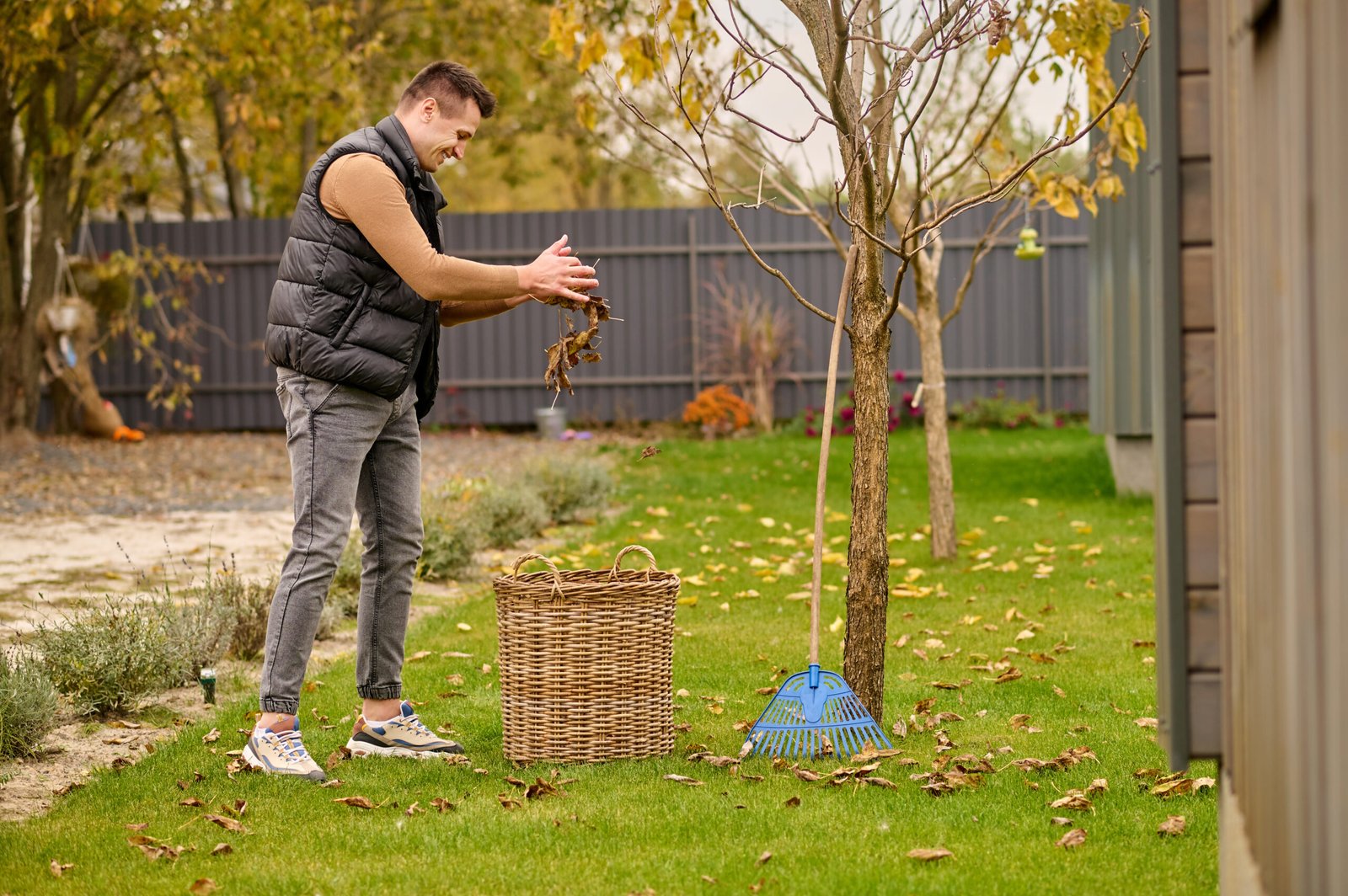
- Clearing away leaves. Thick layers of leaves can obstruct sunlight and trap moisture.
- Aerating the soil. Aeration relieves compaction, allowing water, air, and nutrients to reach the roots.
- Overseeding thin areas. Cooler temperatures create ideal conditions for new grass to establish.
- Applying balanced fertilizer. Adequate fall feeding helps build stronger root systems for the months to come.
Many homeowners are surprised by how much their lawns improve with a little attention in the fall. Don’t let it pass: it’s one of your best opportunities in the year to restore your grass’s thickness and color.
Winter: Preparing for Dormancy
Winter is a quiet season for Texas lawns: growth slows down and warm-season grasses enter dormancy. While there’s less active work for you to do, this is still a good time to stay attentive.
Keep the lawn relatively clear of debris so that any available sunlight can reach the soil. Avoid excessive foot traffic when the grass is dormant, since the blades can be more fragile during this period.
Additionally, winter is a great time to look ahead: You might consider:
- Testing your soil to understand nutrient levels.
- Planning landscaping changes for spring.
- Checking irrigation systems or drainage areas.
These small steps will help you enter the next growing season substantially prepared.
Caring for a Lawn that Thrives All Year
A healthy lawn never comes from one big intervention or a single weekend of yard work. It grows from small decisions you make throughout the year: preparing the soil in spring, adjusting your mowing habits in summer, repairing damage in fall, and remaining vigilant during the inactive winter months.
Work with the natural rhythm of your lawn. Over time, those habits will create what every homeowner wants: a yard that looks thick, green, and welcoming, no matter what time of the year it is.