Creating a Cohesive Eco-Friendly Renovation Plan for Multi-Room Remodels
Multi-room remodels have a way of getting complicated fast. A kitchen plan turns into a flooring discussion. A bathroom upgrade sparks electrical changes. New drywall exposes insulation problems no one expected. Without a proper environmental strategy, each space gets redesigned in isolation. The house may look updated at the end, yet performance often tells a different story. Energy use stays high. Moisture issues return. Materials age faster than expected.
Life in Fort Myers makes that disconnect even harder to ignore. Long stretches of heat, steady humidity, and heavy summer rain shape how a home functions day to day. Air conditioning runs constantly. Ventilation works overtime. Drainage systems carry real pressure during storm season. Remodeling multiple rooms at once offers a rare chance to correct inefficiencies across the entire structure.
Start With a Whole-Home Environmental Audit
Ripping out cabinets and flooring without understanding how the house performs creates guesswork. A full environmental audit brings clarity before construction begins. Energy bills reveal usage patterns. Insulation checks expose gaps. Attic inspections uncover ventilation weaknesses. Plumbing assessments highlight waste points. Even small details, like window seals and duct connections, tell a story about where the home struggles.
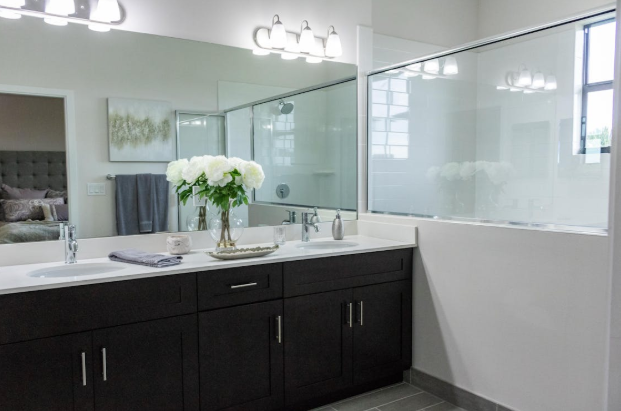
This broader perspective matters most in rooms that deal with constant moisture. Bathrooms, kitchens, and laundry areas affect surrounding walls and ceilings more than most homeowners realize. Humid air does not stay contained in one space. It travels. It settles. It lingers inside insulation and framing. Coordinating ventilation, waterproofing, and plumbing during planning prevents surface-level upgrades that ignore deeper conditions. When it comes to bathroom remodeling Fort Myers residents often approach remodelers to devise a whole-home strategy. Tackling airflow, drainage, and material durability with expert help protects the rest of the structure long after the tile and fixtures are installed.
Develop a Whole-Home Water Efficiency Strategy
Water use tends to get attention room by room. A new faucet here. A low-flow toilet there. A more efficient washing machine in the laundry area. A scattered approach leaves performance uneven. A whole-home strategy takes a different path. It looks at supply lines, pressure levels, drainage flow, and fixture performance together.
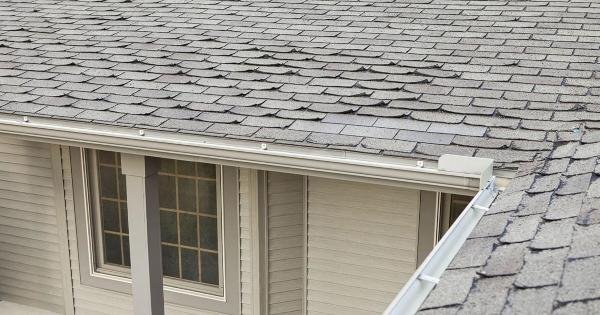
Roof runoff, yard drainage, and irrigation systems all influence how water moves around the property. Planning upgrades at the same time allows for improved grading, updated gutters, and smarter irrigation controls. Inside the home, coordinating fixtures under one efficiency standard keeps consumption consistent.
Standardize Energy-Efficient Lighting Design
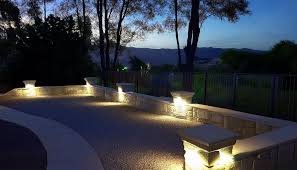
Lighting decisions often happen late in a remodel. Fixtures get selected based on style, and energy use becomes secondary. A multi-room renovation gives homeowners a chance to take a broader view. LED fixtures installed throughout the home reduce electricity demand right away. Occupancy sensors in storage areas and garages limit unnecessary use. Dimmer systems in living spaces adjust output based on the time of day.
Natural light deserves careful thought as well. Window placement, door openings, and interior layout adjustments affect how daylight moves from room to room. Sunlight can carry much of the daytime load if planned correctly. Coordinating lighting choices across all renovated spaces keeps performance steady and prevents one area from undoing gains made in another.
Unified Material Selection Framework
Material choices often drift toward appearance first. Color, texture, and trend drive decisions. An eco-friendly remodel calls for another layer of evaluation. Durability, sourcing, and chemical content all influence long-term impact. Establishing clear guidelines before shopping begins helps narrow options without slowing progress.
Consistency across rooms strengthens both performance and appearance. Flooring selected for humidity resistance in one area should align with conditions in adjacent spaces. Cabinet materials in kitchens and bathrooms should tolerate moisture without warping. Paints and adhesives should maintain low-emission standards throughout the house. A unified material plan prevents mismatched decisions that compromise sustainability goals.
Coordinate Insulation and Thermal Envelope Upgrades
Opening up several rooms at once exposes parts of the home that rarely get attention. Stud cavities, attic corners, crawl spaces, and duct paths suddenly become visible. This moment offers a practical opportunity to upgrade insulation across connected areas instead of patching one section at a time. Walls that share exterior exposure should receive consistent treatment. Attic insulation should be evaluated in relation to ventilation, not handled separately. Sealing gaps around windows, doors, and recessed lighting helps maintain steady indoor temperatures throughout the house.
Heat and humidity place constant pressure on the building envelope. Cool air escapes through small openings. Warm, damp air seeps in through unsealed joints. A coordinated insulation plan reduces that exchange. Vapor barriers and proper attic airflow work together to manage moisture within walls and ceilings.
Integrate Renewable Energy Readiness
Even if solar panels or battery systems are not part of the immediate budget, preparation during renovation keeps future upgrades simple. Electrical panels can be evaluated for capacity. Conduit paths can be installed behind walls before drywall closes everything up. The roof structure can be reviewed to confirm it can support solar equipment later. Handling these steps during an active remodel avoids disruption down the road.
Energy readiness extends beyond solar. Electric vehicle charging lines, upgraded circuit distribution, and panel labeling can be addressed during the same construction phase. A forward-thinking approach allows the home to adapt without reopening finished spaces.
Align Appliance and Fixture Efficiency Standards
Appliance upgrades often happen room by room, driven by brand preference or availability. A cohesive plan sets performance benchmarks before shopping begins. Kitchens, laundry areas, and bathrooms can follow the same efficiency criteria. Dishwashers, refrigerators, washing machines, faucets, and shower systems can be evaluated together rather than selected independently.
Matching standards across spaces keeps resource use balanced. A high-efficiency appliance in one room should not be offset by outdated equipment elsewhere. Coordinated purchasing decisions simplify maintenance and create predictable utility usage across the entire home.
Use Locally Sourced Materials
Material deliveries add up quickly during a multi-room remodel. Cabinets, flooring, tile, stone, lumber, and fixtures often travel long distances before arriving on site. Choosing suppliers within the region cuts down on transportation demands and supports local businesses familiar with coastal building conditions.
Products designed for varying climates tend to perform reliably in humid air. Flooring resistant to moisture, hardware suited for coastal exposure, and exterior materials built for heavy rain align with local realities. Selecting materials close to home keeps the renovation grounded in regional performance needs while limiting unnecessary transport.
Incorporate Smart Home Energy Management Systems
Smart technology can tie together upgrades made across different rooms. A centralized thermostat system regulates cooling more precisely. Lighting controls allow scheduling or occupancy-based adjustments. Energy monitoring tools track usage patterns in real time. Installing these systems during renovation keeps wiring organized and avoids future wall disruption.
Monitoring data across the entire house offers insight into how upgrades perform once daily life resumes. Patterns become visible. Cooling cycles can be adjusted. Lighting schedules can align with actual occupancy.
A multi-room remodel carries real potential for environmental improvement, yet only if each decision connects to a larger plan. Starting with a detailed assessment and carrying that structure through insulation, lighting, water use, and materials creates lasting results. Coordinated planning supports comfort and durability year-round.