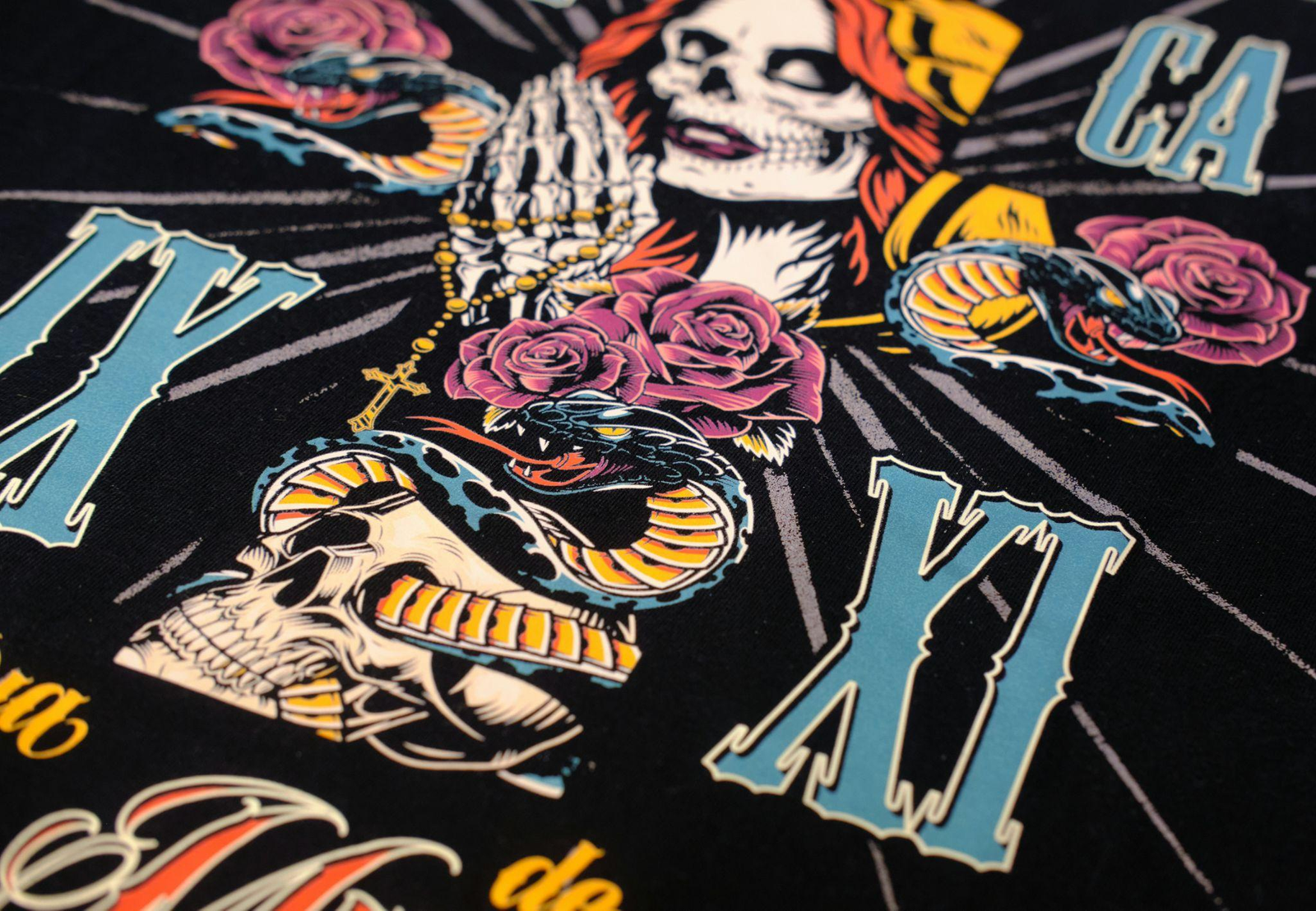
11 Advantages of DTF Printing for On-Demand Products
On-demand products have changed how people sell custom apparel and merchandise. Instead of printing in bulk and storing large amounts of inventory, sellers can now produce items only when an order comes in. This reduces risk, saves money, and helps small businesses stay flexible.
One printing method that supports this model very well is DTF printing.
DTF stands for Direct to Film. It allows designs to be printed on a special film and then transferred onto fabric using heat and adhesive powder. The process is fast, reliable, and works on many types of materials. Because of this, many sellers now rely on professional DTF printing services to fulfill orders without managing production themselves.
Here are some of the strongest advantages of DTF printing for on-demand products and why it fits this business model so well.
1. Works Well for Small Orders Without Extra Cost
One of the biggest challenges in on-demand selling is handling small orders. Many customers only order one item at a time. Traditional bulk methods are not built for that, but DTF printing works well even for single pieces.
For example, a brand that needs a small order of custom shirts might search for DTF printing services near me. The service providers can produce them without heavy setup costs. There is no need for large production runs, which makes it easier to stay profitable even with low quantities.
This is especially helpful for new sellers. They can test designs one by one without spending money on unused stock.
2. Clear and Detailed Prints
When people compare DTF vs. screen Printing, they often focus on print detail. DTF allows very fine lines, small text, and smooth color changes. This is helpful for on-demand products where customers upload custom artwork with tiny details.
Screen printing is strong for bold graphics and large runs, and it has its own advantages.
For online sellers who receive different artwork every day, a combination of different methods saves time. In the case of DTF, there is no need to adjust tools for each color layer. The print comes out clean and sharp, even on dark fabrics.
3. No Need for Large Inventory
On-demand businesses try to avoid holding large stock. Unsold inventory can lead to losses. DTF printing supports this model because transfers can be printed as needed.
A seller can print transfers in small batches and store them flat without taking up much space. When an order arrives, they press the transfer onto the garment. This method reduces the need for pre-printed stock.
This system is helpful for seasonal products. If a design is popular for a short time, it can be printed only during that period. There is no risk of leftover inventory once the trend ends.
4. Works on Many Fabric Types
On-demand sellers often offer different products. Some customers want cotton shirts. Others prefer polyester hoodies or mixed fabrics. DTF printing works on cotton, polyester, blends, and even some specialty fabrics.
This flexibility means a business can expand its product range without changing printing methods. The same process can be used for different materials. That saves time and reduces training needs.
Because the transfer sticks well to various surfaces, the final product looks consistent across different fabric types. This helps maintain quality for customers.
5. Fast Production for Quick Shipping
Customers expect fast shipping. In on-demand selling, speed matters. DTF printing supports quick production because the design is printed directly onto film and then heat-pressed onto the garment.
There are fewer steps compared to some traditional methods. Once the artwork is ready, printing and pressing can be completed in a short time. This helps sellers meet tight delivery deadlines.
Quick production also helps during peak seasons. If orders increase suddenly, DTF makes it easier to keep up without long setup processes.
6. Strong and Durable Prints
On-demand products must last. Customers expect their printed items to survive washing and regular use. DTF prints are known for strong adhesion and good stretch.
The adhesive powder used in the process helps the design bond firmly to the fabric. When pressed correctly, the print resists cracking and peeling. This is important for sellers who depend on repeat customers.
Durability builds trust. When buyers receive a product that holds up well after multiple washes, they are more likely to order again and recommend the brand to others.
7. Bright Colors on Light and Dark Fabrics
Color quality is very important for custom products. DTF printing allows bright colors on both light and dark garments. A white ink layer is added under the design when needed, helping colors stay visible.
This is useful for on-demand stores that offer many color choices. The same artwork can be printed on black, white, red, or blue fabric without losing clarity.
Good color quality improves customer satisfaction. People want their designs to look the same in real life as they do on the website preview. DTF helps achieve that consistency.
8. Easy to Store and Manage Transfers
Another advantage of DTF printing is that printed transfers can be stored before pressing. This gives sellers more control over workflow.
For example, a business can print multiple transfers of popular designs and keep them ready. When orders come in, they only need to press them onto garments. This saves time during busy hours.
Storage does not require large space. Transfers can be kept flat and organized by design. This system keeps production smooth and reduces stress during high-demand periods.
9. Lower Waste for Sustainable Selling
On-demand products already reduce waste because items are printed only after purchase. DTF printing supports this idea even more.
Since there are no screens to wash or large batches to discard, material waste stays low. Ink usage is controlled by the printer, which helps reduce excess.
Lower waste also means lower cost over time. For small businesses, every saved material counts. It allows better pricing and healthier profit margins.
10. Easy Customization for Personalized Orders
Personalization is a major part of on-demand selling. Customers like adding names, numbers, or small design changes. DTF printing makes this process simple.
Because the artwork is printed digitally, changes can be made quickly on a computer before printing. There is no need to adjust hardware tools for each variation.
This makes DTF suitable for birthdays, school events, small business promotions, and family gatherings. Each item can be slightly different without slowing down production.
11. Smooth Feel on Fabric
Comfort matters in apparel. DTF prints have a soft and flexible finish when applied correctly. They move with the fabric instead of feeling stiff.
For on-demand brands that focus on daily wear, this is important. Customers notice how a shirt feels when they wear it. A smooth finish improves the overall experience.
The design remains flexible even after washing. This keeps the garment comfortable for long-term use.
Final Thoughts
DTF printing supports the core idea of on-demand selling: flexibility, speed, and quality without heavy inventory. It handles small orders well, produces clear and colorful designs, and works on different fabrics. It also keeps waste low and allows easy customization.
For sellers who want to build or expand an on-demand product line, DTF printing provides a steady and reliable production method. It helps maintain quality while keeping costs under control, which is essential for long-term success.